How Collision and Comprehensive Coverage Are Defined
Both collision and comprehensive coverage pay to repair or replace your vehicle - but the triggering event is completely different, and understanding that distinction prevents costly surprises at claim time.
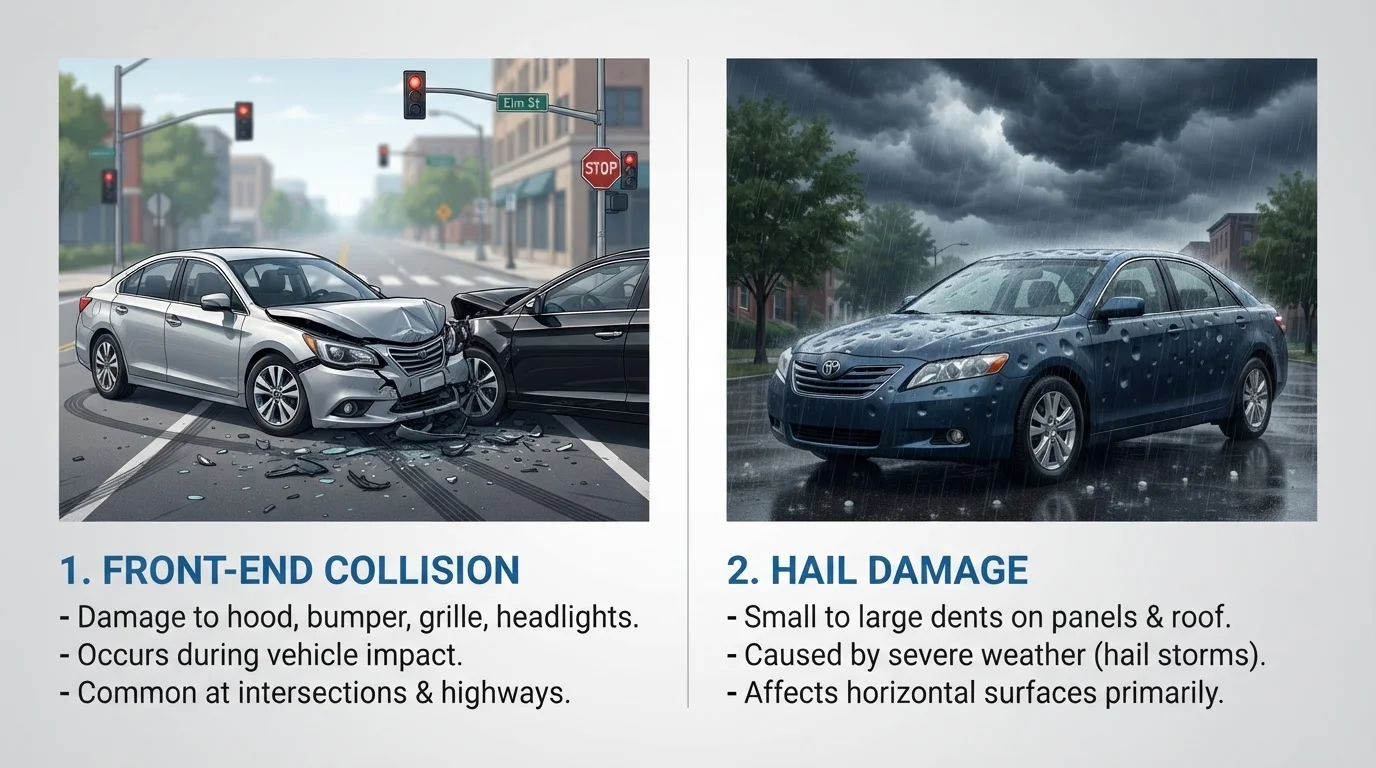
Collision coverage activates when your vehicle physically impacts something: another vehicle, a guardrail, a tree, a curb, or any other object. It also covers rollovers. Fault is largely irrelevant to whether the coverage applies - if impact caused the damage, collision is the right coverage to file under.
Comprehensive coverage - sometimes called "other than collision" on policy documents - covers damage caused by events that don't involve a crash. Common examples include theft, vandalism, hail, flooding, fire, falling objects (such as tree limbs), and striking an animal. If a deer runs into the side of your car, that's a comprehensive claim, not a collision claim.
For a broader look at how these coverages fit within your overall policy, see the core coverage types explained.
| Criterion | Collision Coverage | Comprehensive Coverage |
|---|---|---|
| Triggering event | Impact with object, vehicle, or rollover | Theft, weather, fire, animals, vandalism |
| Fault relevance | Applies regardless of fault | Fault not applicable |
| Typical deductible | $250-$1,500 | $250-$1,500 (separate from collision) |
| Payout basis | Actual cash value of vehicle | Actual cash value of vehicle |
| State law requirement | Not required by state law | Not required by state law |
| Lender/lessor requirement | Usually required on financed vehicles | Usually required on financed vehicles |
| Covers animal strikes | No | Yes |
| Covers hail or flood | No | Yes |
Deductibles, Payouts, and Cost Considerations
Both collision and comprehensive come with separate deductibles - the amount you agree to pay out of pocket before your insurer covers the rest. Common deductible amounts run from $250 to $1,500. A higher deductible generally lowers your premium, but it also means more upfront cost when you file a claim.
Insurers pay out based on the vehicle's actual cash value (ACV) - the market value of your car at the time of the loss, accounting for depreciation. If your car is worth $8,000 and you have a $1,000 deductible, the maximum payout is $7,000, regardless of what repairs would cost. When a vehicle's ACV is low, the combined cost of premiums plus a deductible can sometimes exceed a realistic payout - a factor worth calculating if your car is older or heavily depreciated.
~77%
Insured drivers carrying comprehensive coverage
According to the Insurance Information Institute, roughly 77% of insured U.S. drivers carry comprehensive coverage, compared to about 73% with collision.
$500
Most common collision deductible chosen
Industry data consistently shows $500 as the most frequently selected deductible for collision coverage among U.S. policyholders.
Neither coverage is required by state law, but if you're financing or leasing a vehicle, the lender almost always mandates both. Dropping either without the lender's consent can result in force-placed insurance - a policy the lender buys on your behalf, typically at higher cost and with limited benefits for you. For a fuller picture of coverage gaps that catch drivers off guard, see common coverage gaps and what they mean.
Choosing the Right Coverage for Your Situation
The decision to carry one, both, or neither comes down to a few practical factors: your vehicle's current market value, whether you have a loan or lease, your financial ability to absorb a repair or replacement cost out of pocket, and the risks specific to where you live and park.
A vehicle with high market value warrants both coverages in almost every scenario. If a total loss would cost you $30,000 to replace, neither collision nor comprehensive premiums are likely to feel excessive by comparison. The calculus shifts on older vehicles with low ACV, where you may reasonably decide the premium cost outweighs the protection offered.
When Comprehensive and Collision Overlap
Some scenarios can create confusion about which coverage applies. For example, if you swerve to avoid an animal and hit a guardrail, that's typically a collision claim - not comprehensive - because a physical impact with an object caused the damage. If you actually strike the animal, that's usually comprehensive. When in doubt, your insurer's claims team can help categorize the event correctly before you file.
If you're still building familiarity with how auto insurance policies are structured overall, Auto Insurance Decoded is a practical starting point before you revisit your current policy. And for end-to-end guidance covering claims, costs, and smarter coverage choices, see Auto Insurance End to End.
This article is for general informational purposes only and does not constitute personalized insurance, financial, or legal advice. Coverage terms, costs, and requirements vary by provider, policy, and state. Always read your actual policy documents and consult a licensed insurance professional for guidance specific to your situation.