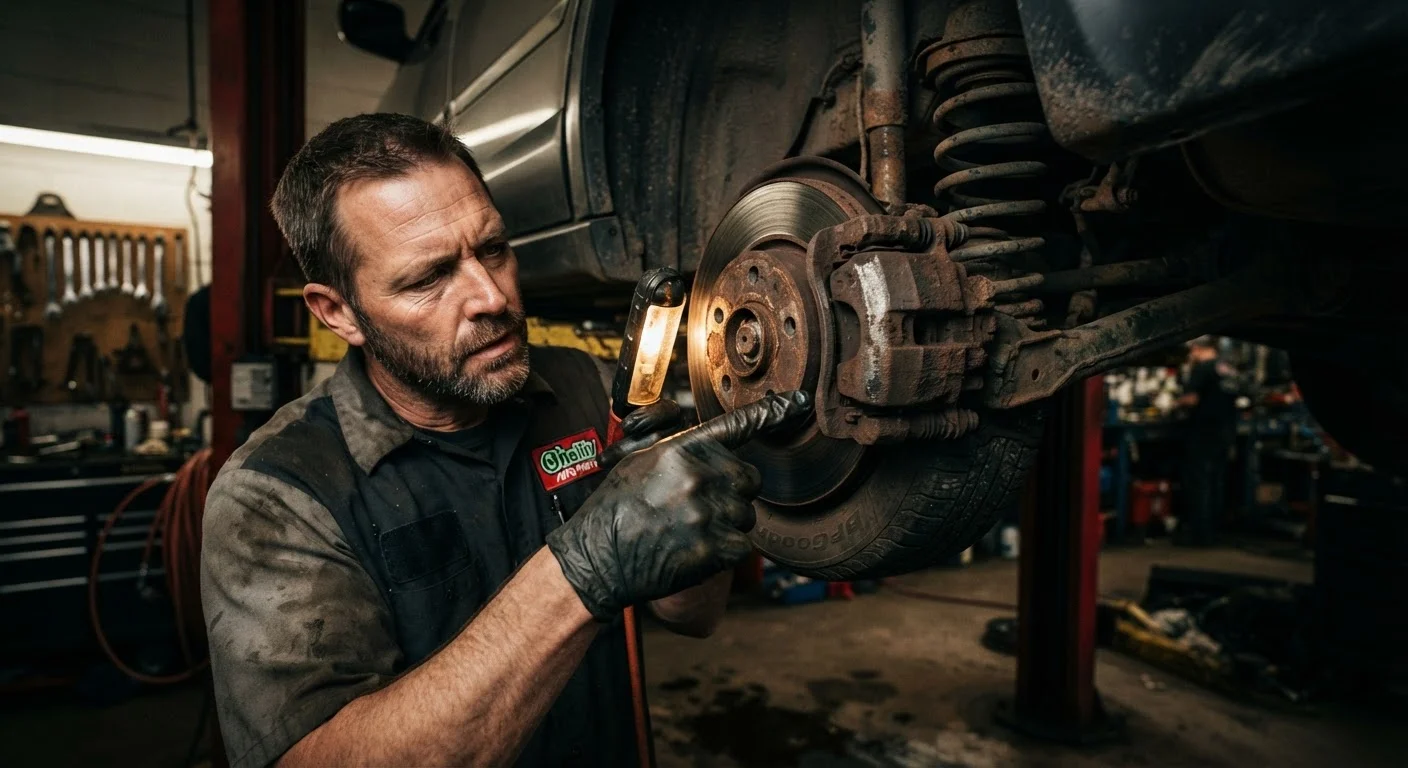
The Math Behind Deferred Repairs
Putting off a $150 fix to protect cash flow feels rational in the moment. The trouble is that most vehicle components don't fail in isolation - they transfer stress, heat, and friction to adjacent parts. By the time the original problem becomes impossible to ignore, you're often looking at two or three interconnected failures instead of one contained repair.
Consider a small coolant leak from a cracked hose. Left alone, the engine runs progressively hotter. Sustained overheating warps cylinder head gaskets, and a blown head gasket can destroy the cylinder head itself. A $40 hose replacement can realistically turn into a $1,500-$3,000 repair once machining and labor are included. That's not an edge case - it's a predictable mechanical chain reaction that shops see regularly.
The Car Costs & Savings hub covers the broader picture of keeping ownership expenses under control, but the single highest-leverage habit most drivers can build is simply not letting minor issues linger.
2-5×
Cost multiplier from deferred vehicle repairs
Industry repair data consistently shows that secondary damage from neglected components multiplies original repair costs by a factor of two to five or more.
$1,200+
Average cost of a blown head gasket repair
AAA and independent shop surveys indicate head gasket failures - frequently linked to cooling system neglect - typically run $1,200-$3,000 in parts and labor.
Common Mistakes That Turn Small Problems Into Big Bills
Ignoring warning lights because the car still drives normally.
Why it happens: Drivers associate warning lights with immediate catastrophe; when nothing dramatic happens right away, the light gets mentally filed as a false alarm.
Delaying brake pad replacement until you hear grinding metal on metal.
Why it happens: Brake wear is gradual and the squealing warning sound is easy to rationalize away, especially in noisy driving conditions.
Topping off leaking fluids repeatedly instead of fixing the source.
Why it happens: Adding fluid is cheap and immediate; finding and repairing a leak requires diagnostic time and feels like a larger commitment.
Skipping timing belt replacement because it's expensive and the engine seems fine.
Why it happens: Timing belts show no external symptoms of wear. The replacement cost - often $400-$800 depending on the vehicle - feels hard to justify when nothing appears wrong.
Driving on underinflated tires to avoid the inconvenience of inflating them.
Why it happens: Tire pressure loss is slow and the handling change is subtle enough that many drivers don't notice until pressure is significantly low.
If you're weighing the costs of an aging vehicle versus fixing it, the guide to keeping a high-mileage car on the road offers a structured way to run the numbers.
How to Interrupt the Damage Cycle
The most effective intervention is also the least glamorous: a consistent visual check every time you fill up with gas. Walk around the car, glance at the tires for uneven wear, look for fresh fluid spots on the pavement, and listen for any new sounds when you start the engine. This takes under two minutes and catches the majority of developing issues while they're still inexpensive.
Beyond that informal habit, scheduling a full inspection every 6,000-10,000 miles - roughly aligned with oil change intervals - gives a mechanic the chance to flag worn components before they fail. Many drivers skip this because the car seems to be running fine. But brake pads, belts, and suspension bushings wear gradually; there's often no dramatic symptom until the part is already dangerously degraded.
Never Ignore Brake or Steering Symptoms
Pulling to one side when braking, a pulsing pedal, or unusual steering heaviness are not issues to monitor over time - they indicate an active safety risk. Stop driving the vehicle for non-essential trips and have it inspected immediately. Unlike most maintenance decisions, braking and steering failures can endanger you and other road users.
For readers who handle some maintenance themselves, knowing which tasks are genuinely safe to DIY and which require a licensed mechanic is equally important - a repair done incorrectly can create new problems faster than the original fault would have.
Keeping a simple log of every repair, inspection, and fluid change also pays dividends. It lets you spot patterns (frequent top-ups of the same fluid, for instance) that signal a slow leak, and it documents maintenance history if you ever sell the vehicle.