Spending Smart Before You List
Selling a home can tempt owners into an ambitious renovation spree - new kitchen, spa bathroom, finished basement. But industry data consistently shows that not every dollar spent translates into a higher sale price. The goal before listing isn't to build your dream home; it's to remove buyer objections and present a property that feels move-in ready at a competitive price point.
According to general cost-vs-value analyses published by the remodeling industry, mid-range updates and repairs to core systems almost always outperform large-scale luxury projects in terms of cost recovery. Understanding that distinction can save you from over-investing in upgrades that the market simply won't reward. If you're working with a limited pre-sale budget, our guide to stretching a renovation budget covers practical principles for prioritizing where your money goes furthest.
Below are the renovation categories that tend to add measurable, broadly accepted value - along with honest caveats about where homeowners commonly overspend.
Minor kitchen refreshes
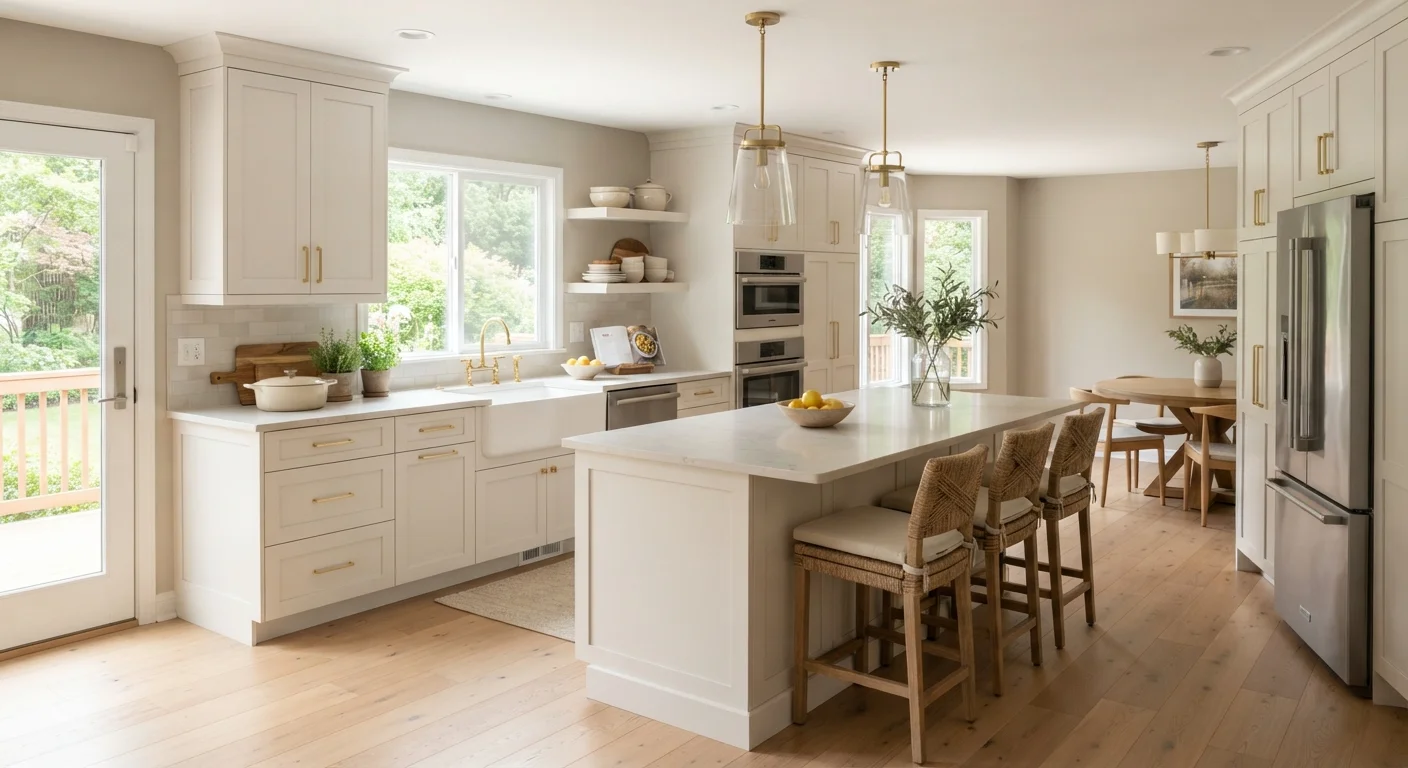
A full kitchen gut renovation before selling is rarely recouped dollar-for-dollar. However, targeted, mid-range updates - replacing cabinet hardware, refinishing or repainting cabinet faces, swapping out an outdated faucet, or installing a new backsplash - can meaningfully modernize the space at a fraction of the cost.
Industry cost-vs-value reports consistently rank minor kitchen remodels among the stronger-performing pre-sale investments, often recouping a larger percentage of cost than major overhauls. The key is focusing on what buyers see immediately: surfaces, fixtures, and lighting.
Targeted, mid-range kitchen updates almost always outperform full gut renovations in pre-sale cost recovery.
Bathroom updates that feel fresh
Similar logic applies to bathrooms. Replacing a vanity, re-caulking a tub surround, installing a new toilet, or refreshing grout can transform a dated bathroom without the expense of moving plumbing. Buyers respond strongly to bathrooms that look clean and functional.
A mid-range bathroom remodel - new fixtures, updated lighting, fresh tile - tends to recoup a meaningful share of its cost, while luxury bathroom additions rarely pay back their full investment in a standard resale context.
Clean, functional bathrooms with updated fixtures consistently attract buyers without requiring a full renovation.
Curb appeal and entry improvements
First impressions form before a buyer walks through the door. Repainting the front door, replacing exterior light fixtures, power washing the driveway, adding fresh mulch to beds, and tidying landscaping are relatively low-cost measures that can shift buyer perception significantly.
Manufactured stone veneer on the exterior and new garage doors are two specific upgrades that industry data has repeatedly ranked among the highest cost-recovery projects available to sellers. For larger landscaping considerations, our article on garden makeover costs provides realistic budget breakdowns.
Curb appeal improvements often deliver some of the highest returns relative to their modest upfront cost.
Fresh interior paint and flooring
Neutral, freshly applied interior paint is one of the least expensive and highest-impact pre-sale investments available. It eliminates odors, brightens rooms, and signals to buyers that the home has been cared for. Stick to warm neutrals - off-whites, greiges, soft taupes - that photograph well and appeal broadly.
If flooring is visibly worn, refinishing existing hardwood typically costs significantly less than replacement and delivers strong visual results. Replacing heavily stained carpet - or removing it to reveal hardwood beneath - can also remove a common buyer objection at manageable cost.
Neutral paint and refinished hardwood floors are among the most cost-efficient visual upgrades before listing.
Addressing deferred maintenance
Buyers and their inspectors will find deferred maintenance - a leaking roof, aging HVAC system, faulty electrical outlets, or soft subfloor. These issues can cause buyers to walk away, trigger renegotiation, or require price reductions that cost more than the repair would have.
Prioritizing legitimate maintenance over cosmetic upgrades is often the smarter pre-sale strategy. A functional, well-maintained home inspires buyer confidence in ways that fresh staging cannot replicate. Check gutters, caulking around windows, HVAC filters, and any known water intrusion issues before investing in visual improvements.
Unaddressed maintenance issues cost sellers more in renegotiation than the repairs themselves would have.
What typically doesn't pay back
Certain projects are notoriously poor value in a pre-sale context. Swimming pools, sunroom additions, and home office conversions tend to appeal to a narrow slice of buyers while carrying high installation and ongoing maintenance costs that the market rarely rewards at resale.
Highly customized renovations - bold tile choices, niche built-ins, or luxury finishes well above the neighborhood norm - often reflect personal taste more than market demand. Buyers in a given price bracket expect a certain standard; exceeding it dramatically doesn't usually translate into proportionally higher offers. Our piece on common decorating myths explores how personal preferences can clash with broad buyer appeal.
Upgrades that exceed neighborhood norms or reflect niche personal taste rarely recoup their full cost at resale.
Making the Right Call for Your Market
No single renovation guarantees a higher sale price. Local buyer expectations, neighborhood price ceilings, and current inventory levels all influence what pays off in your specific market. A finished basement may be a must-have in one region and barely noticed in another.
Get a Pre-Listing Home Inspection
Paying for your own inspection before listing - rather than waiting for the buyer's - gives you time to address issues on your schedule and at contractors of your choosing. It also signals transparency to buyers, which can build confidence and reduce renegotiation pressure after an offer is accepted.
Before committing to any project, talk with a local real estate professional who can tell you what buyers in your area are actually prioritizing. Pair that insight with honest cost estimates - especially for kitchens, where expenses can escalate quickly. Our breakdown of kitchen renovation costs can help you set a realistic budget before work begins.
Ultimately, the renovations that add the most consistent value are those that make a home feel well-maintained, clean, and functional - not necessarily flashy. Start with what buyers will notice first, address anything that could raise red flags during inspection, and let the market guide the rest.
This article is for general informational purposes only. Cost recovery and return on investment figures vary significantly by location, contractor, market conditions, and timing. Consult a licensed real estate professional and qualified contractors for advice specific to your property and local market.