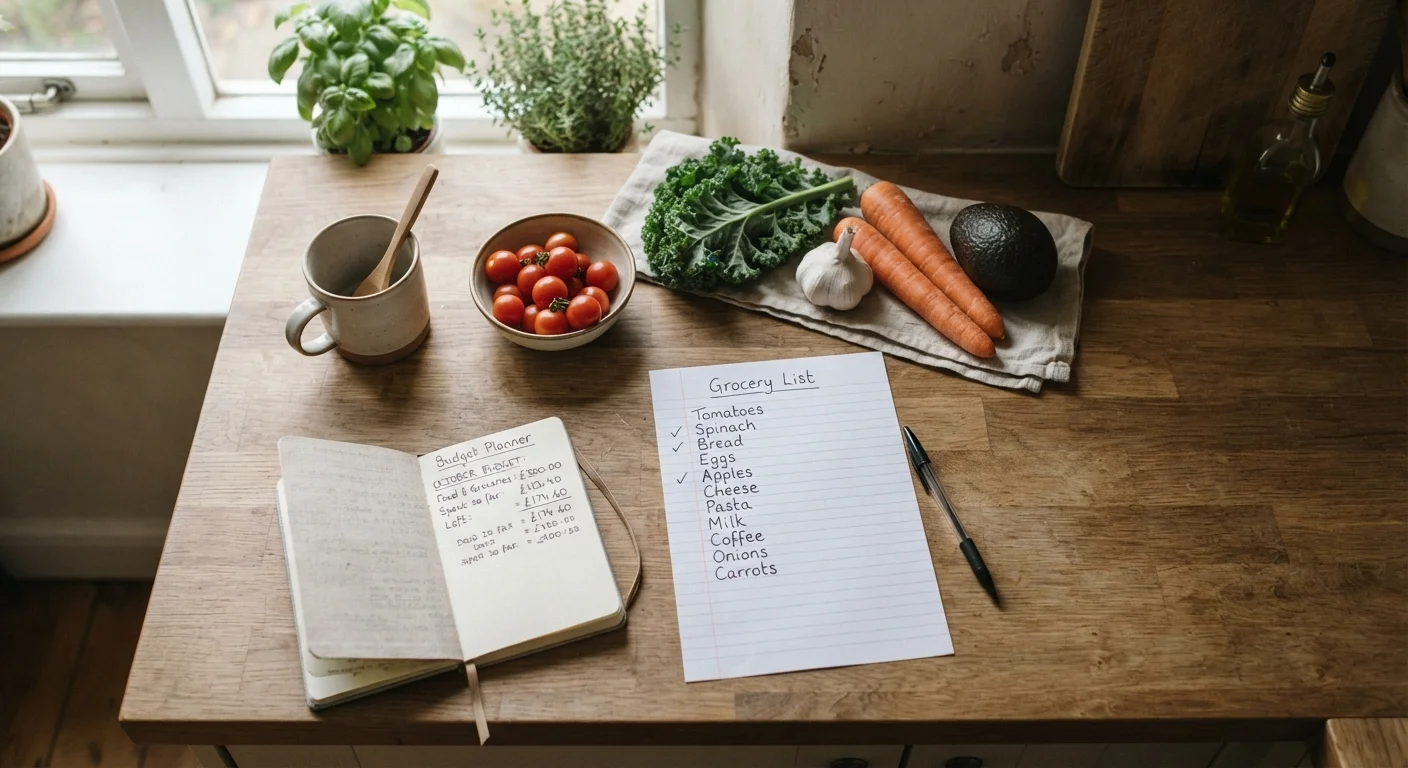
Why Grocery Budgets Break Down
Grocery spending is one of the most variable line items in a household budget. Unlike rent or a car payment, it shifts week to week based on what you cook, how many people you're feeding, seasonal price swings, and dozens of small decisions made under florescent lights while hungry. That variability is exactly why so many people set a grocery number and then quietly blow past it every month.
The most common mistake is starting with an arbitrary figure - picking $150 or $400 a week because it sounds reasonable - rather than building from actual data. If you're new to budgeting overall, this foundational guide walks through the core concepts before you start assigning numbers to categories.
A grocery budget that holds up isn't restrictive - it's accurate. The goal is a number you can realistically hit most weeks, with a clear process for adjusting when life intervenes.
What You'll Need Before You Start
Gathering the right inputs before setting a number saves you from resetting the budget three weeks in.
What you will need
Bank or credit card statement
Provides accurate historical grocery spending data without relying on memory.
Spreadsheet or budgeting app
Used to log weekly spending and compare actuals against your budget target.
Weekly meal plan template
Helps translate planned meals into a shopping list, reducing impulse purchases.
Pantry inventory list
Prevents buying duplicates and identifies what can be used before restocking.
Step-by-Step: Building Your Grocery Budget
Work through these steps in order. Skipping the data-gathering phase is the single biggest reason grocery budgets fail to stick.
Pull your actual grocery spending for the past four weeks
Go through bank statements or receipts and total every grocery store transaction for the past four weeks. Include only food purchases - pull out household supplies and personal care items if they appear on the same receipt, or note them as a separate category. Calculate a weekly average from your four-week total.
Separate groceries from dining out and household supplies
Many people underestimate their grocery spending because they unconsciously blend it with restaurant spending, takeout, coffee stops, and drugstore runs. Assign each of these a distinct category in your tracking system. Your grocery budget should cover only food and beverages purchased for home preparation.
Set a weekly target based on your data, not a benchmark
Use your four-week average as your baseline. From there, decide whether you want to maintain that level or reduce it - and by how much. A realistic first target is your current average, or up to 10-15% below it if you have a specific savings goal. Cutting more than that without a concrete plan for how to get there usually leads to repeated budget failures.
Build a shopping list before every trip
Check your pantry and fridge before writing your list. Cross-reference what you have with the meals you plan to cook that week. A specific list reduces the two biggest drivers of grocery overspending: buying items you already have and adding unplanned items to the cart. Stick to the list unless a substitution saves money on the same item.
Log what you actually spend each week
After each grocery trip, record the total and running weekly tally in your tracking tool. This single habit - logging in real time rather than reviewing at month end - gives you the chance to adjust mid-week if you've spent more than planned. Over time, it also surfaces patterns: which weeks tend to run high, and why.
Review and adjust at the end of each month
Compare your actual monthly grocery spending to your target. If you came in under consistently, consider reassigning that surplus to savings or another budget category. If you went over, identify whether it was due to price increases, scope creep (items that shouldn't be in the grocery category), or genuine overspending on food. Adjust your target or habits accordingly - and document the reason so you're making an informed change, not just moving the goalposts.
The Weekly Check-In Takes Under Five Minutes
A brief review before your main shopping trip - checking your remaining weekly budget, scanning the pantry, and confirming the week's meals - is the single highest-leverage habit for keeping grocery spending on track. It doesn't require a spreadsheet or an app. A notepad and two minutes of focused attention is enough to prevent most impulse overruns.
Keeping the Budget Honest Week After Week
Setting the number is the easy part. Maintaining it across different weeks - holiday weekends, sick days, a dinner party, a price spike on eggs - is where most plans fall apart. Understanding why budgets collapse after month one can help you anticipate the friction points before they hit.
A simple weekly rhythm helps: before your main shopping trip, note your remaining weekly allowance, check what's already in the pantry and freezer, and sketch out the meals you actually plan to cook. Practical meal planning and grocery budgeting reinforce each other - cooking from a plan almost always costs less than shopping without one.
If you share finances with a partner, make sure both people understand the weekly target and who's responsible for tracking it. A clear agreement prevents the budget from quietly expanding through two separate shopping trips. Budgeting as a couple covers how to structure those conversations without turning them into arguments.
Finally, review at the end of each month. If you consistently come in under budget, your number may be too conservative and that money could work harder elsewhere. If you're consistently over, look at whether prices have genuinely risen or whether the category scope (are household supplies creeping into grocery totals?) needs tightening. A grocery budget is a living document - adjust it intentionally rather than letting it drift.
This article is for general informational purposes only and does not constitute personalized financial advice. Consult a qualified financial professional for guidance tailored to your specific situation.