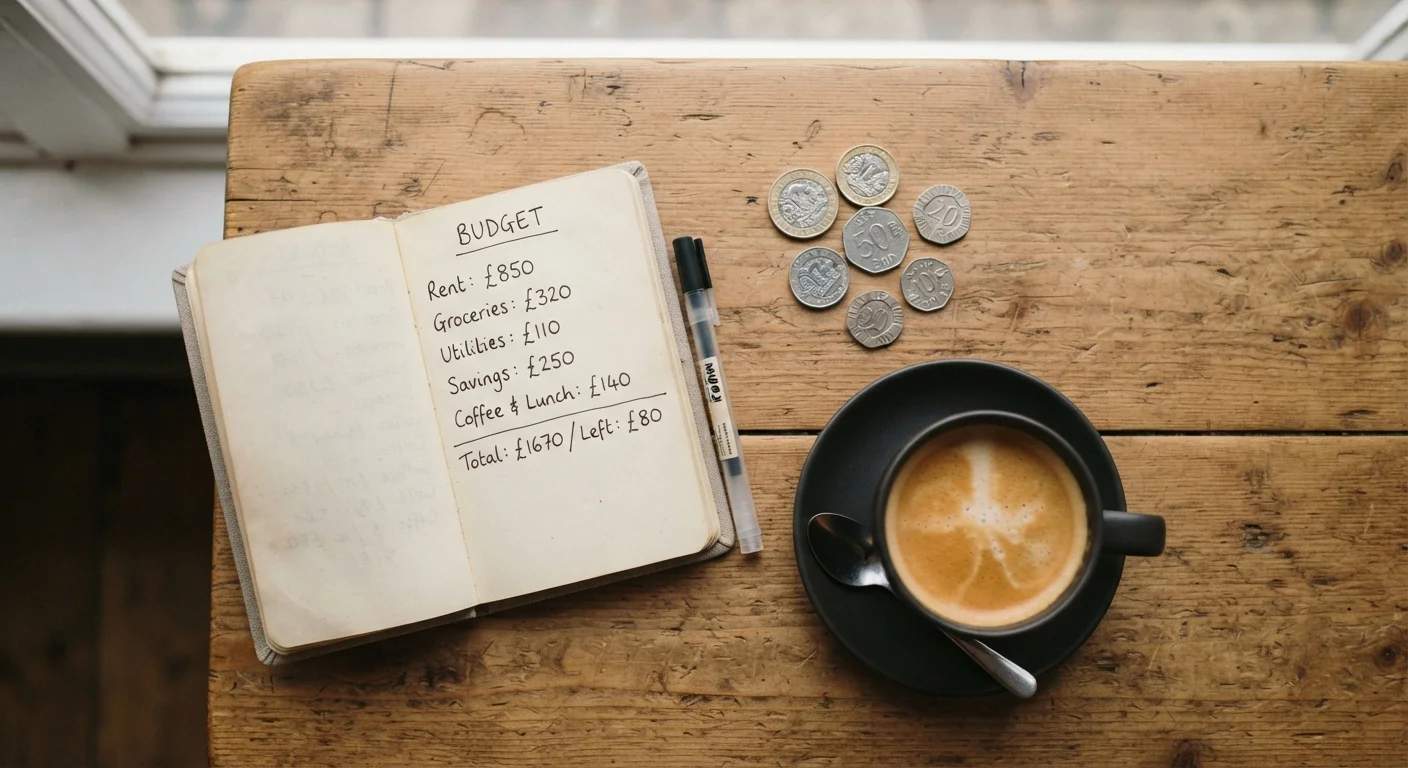
The 'Skip the Latte' Myth, Examined
The advice has become a cultural shorthand for financial discipline: give up your daily coffee and watch the savings roll in. Run the numbers, though, and the case weakens quickly. A $5 coffee purchased every workday adds up to roughly $1,300 a year - a real sum, but one that pales against the average American household's annual housing costs, which the Bureau of Labor Statistics consistently places above $20,000. The proportions matter enormously when you're deciding where to focus your energy.
This isn't an argument that small purchases are irrelevant. It's an argument against the particular psychological trap of treating micro-cuts as a savings strategy while leaving major expenditures unchallenged. For a deeper look at the spending categories where overpayment is most common and most correctable, see where people routinely overpay in their everyday budgets.
Targeting discretionary treats before auditing large fixed costs.
Why it happens: Small purchases are tangible and feel controllable, making them the obvious target. Fixed costs like rent or insurance feel non-negotiable by default.
Underestimating the rebound effect of strict deprivation.
Why it happens: Budgets built entirely on denial are psychologically difficult to maintain. When the restriction breaks, spending often overshoots to compensate.
Confusing annualised figures with actionable savings.
Why it happens: Multiplying a daily cost by 365 produces an impressive-sounding number, but that money isn't automatically redirected into savings - it simply stops being spent in one place and often resurfaces elsewhere.
Ignoring the compounding drag of forgotten subscriptions and automatic renewals.
Why it happens: Subscription costs are designed to be low enough to avoid scrutiny at any single billing. Their collective weight is rarely totalled until someone does a deliberate audit.
Treating all small expenses as equally worth cutting.
Why it happens: Generic advice to 'spend less' doesn't distinguish between high-value and low-value expenditure. People cut things that matter to them and retain things that don't, producing resentment without savings.
Why These Mistakes Are So Easy to Make
Understanding the errors that drive ineffective cost-cutting helps you sidestep them. The psychology behind saving plays a significant role: small, visible purchases feel controllable, while large, fixed costs feel immovable. That perception gap shapes the cuts people attempt.
~$20,000+
Average annual household housing costs (US)
According to the Bureau of Labor Statistics Consumer Expenditure Survey, housing consistently represents the single largest share of American household spending.
~$6,000
Estimated average annual vehicle ownership cost (US)
AAA's vehicle cost studies have found that annual ownership costs - including insurance, fuel, and maintenance - represent a substantial and often under-scrutinised budget item.
Once you've corrected course on the mistakes above, the logical next step is locking in your progress structurally - which is where automation becomes relevant. Automating your savings can reinforce gains from renegotiated fixed costs, though it comes with its own pitfalls worth understanding before you set it up.
This article is for general informational and educational purposes only. It does not constitute personalised financial or budgeting advice. Consider consulting a qualified financial adviser for guidance tailored to your individual circumstances.