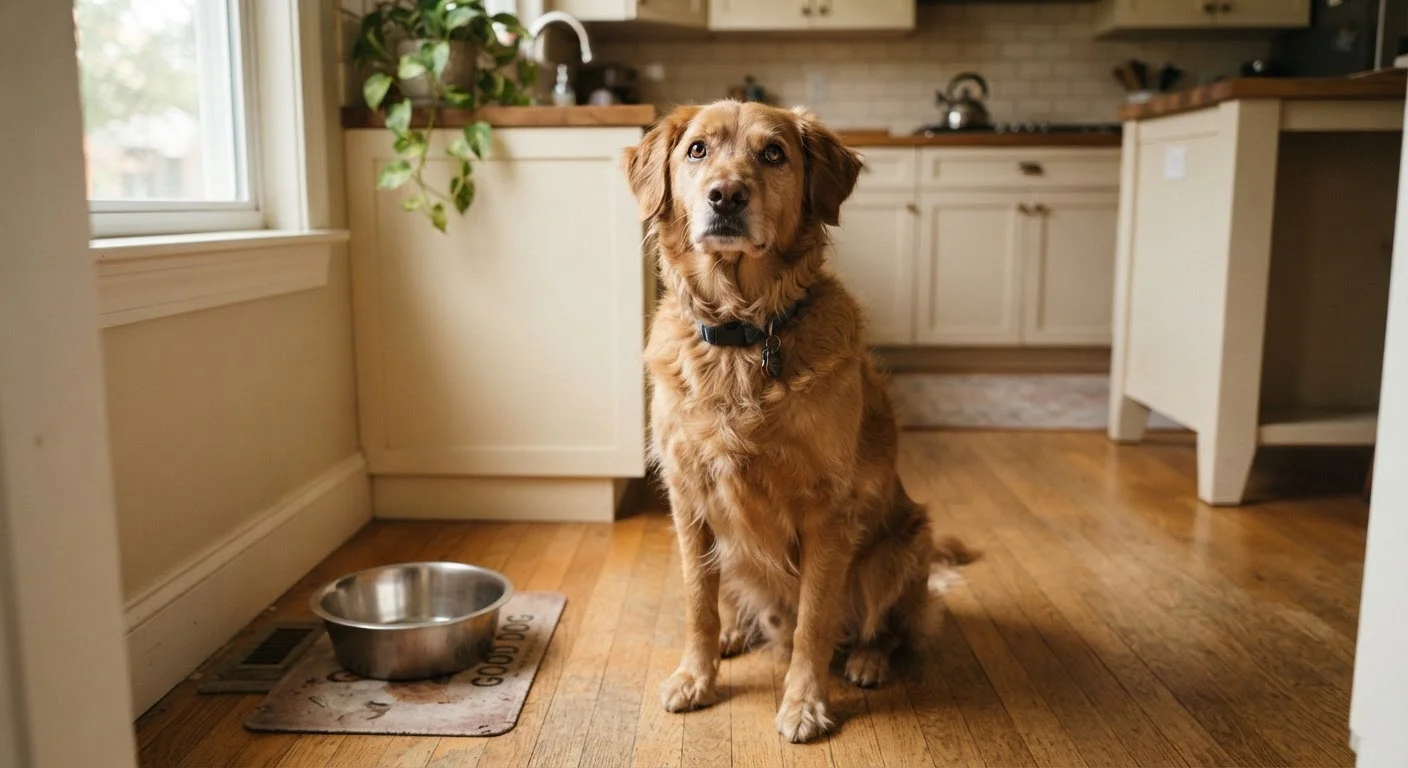
The Difference Between Hungry and Food-Motivated
Dogs evolved alongside humans partly because they were highly motivated to seek food - a trait that served their wild ancestors well. Today, that same drive can make it genuinely difficult to tell whether your dog is truly hungry or simply opportunistic. Most dogs will eat when offered food regardless of how recently they last ate, which means enthusiasm at the food bowl is not, by itself, evidence of underfeeding.
True persistent hunger - the kind where a dog is restless, fixated on food, and difficult to satisfy - usually has an identifiable cause. The most common causes fall into two broad categories: dietary factors and medical factors. Understanding which category applies to your dog is the first step toward an informed response.
Food Motivation Is Normal - To a Point
Labradors, Beagles, Pugs, and several other breeds are genetically predisposed to strong food motivation and lower satiety signaling - in some cases linked to specific gene variants affecting appetite regulation. If you have one of these breeds, a higher baseline of food-seeking behavior is expected and does not automatically indicate a problem. The concern arises when that behavior changes significantly from the individual dog's established norm.
How Diet Composition Drives Hunger
Not all calories are equally satisfying. A dog food that derives most of its calories from rapidly digestible carbohydrates may meet energy requirements on paper while leaving a dog physiologically undersatisfied. Protein and fat both trigger stronger satiety signals than carbohydrates, and dietary fiber slows gastric emptying, extending the feeling of fullness.
This is one reason it's worth learning to read beyond the marketing copy on pet food packaging. The guaranteed analysis panel shows minimum protein and fat percentages, and the ingredient list reveals the primary protein sources - information that directly affects how filling a food is likely to be. See our guide to reading pet food labels for a practical walkthrough of what those numbers actually mean.
Caloric density is another variable many owners overlook. A food with lower calories per cup requires a larger volume to meet daily needs - but if the feeding guidelines are based on a higher-density product, an owner switching foods may be inadvertently underfeeding without realizing it.
~56%
US dogs estimated overweight or obese
The Association for Pet Obesity Prevention has consistently estimated that a majority of US dogs are overweight - a figure that coexists with widespread owner reports of dogs seeming constantly hungry.
2-3x
Variation in caloric density across kibble types
Caloric density in commercial dry dog foods can vary by two to three times between products, meaning portion size must be recalibrated when switching foods to avoid unintentional underfeeding or overfeeding.
Feeding Patterns That Affect Satiety
How and when a dog is fed matters nearly as much as what it's fed. Dogs fed once daily experience longer gaps between meals, which can intensify hunger signals and food-seeking behavior as the next mealtime approaches. Splitting the same daily portion into two or three servings often reduces begging and restlessness without changing the total amount of food consumed.
Portion accuracy is another underestimated factor. Studies in veterinary nutrition have consistently found that pet owners tend to overestimate kibble volumes when measuring by eye - and counterintuitively, some owners underfeed by following package guidelines designed for a different life stage or body weight than their dog's. Using a kitchen scale rather than a measuring cup provides more reliable accuracy, particularly for smaller dogs where even modest discrepancies add up quickly. For practical strategies on feeding well without overspending, see our piece on cost-conscious feeding strategies.
When Hunger Is a Medical Signal
If a dog's appetite increases noticeably and suddenly - especially in an adult or senior dog with previously stable eating habits - a medical cause should be considered. Several conditions are known to drive persistent hunger:
- Diabetes mellitus: Insufficient insulin means glucose cannot enter cells properly, leaving a dog hungry despite adequate food intake.
- Cushing's disease (hyperadrenocorticism): Elevated cortisol increases appetite, among other symptoms including increased thirst and a pot-bellied appearance.
- Exocrine pancreatic insufficiency (EPI): The pancreas fails to produce enough digestive enzymes, so nutrients pass through largely unabsorbed - leaving a dog hungry even after large meals.
- Intestinal parasites: Heavy parasite loads can interfere with nutrient absorption and drive increased food seeking.
- Corticosteroid medications: Dogs on prednisone or similar drugs commonly experience significantly increased appetite as a side effect.
Sudden or dramatic changes in appetite are a reason to schedule a veterinary visit rather than simply adjust the feeding routine. Changes in weight, thirst, urination frequency, or energy level alongside increased hunger add further urgency.
This article is for general informational purposes only and is not veterinary advice. Always consult a licensed veterinarian for concerns about your pet's health, appetite, or diet.