

Pets & Animals Editorial Team
Staff Writer
Pets & Animals Editorial Team is the collective byline for our editorial team and contributor network. Articles published under this byline or an editorial pen name are researched, written, and reviewed according to our editorial standards for clarity, consistency, and independence before publication.
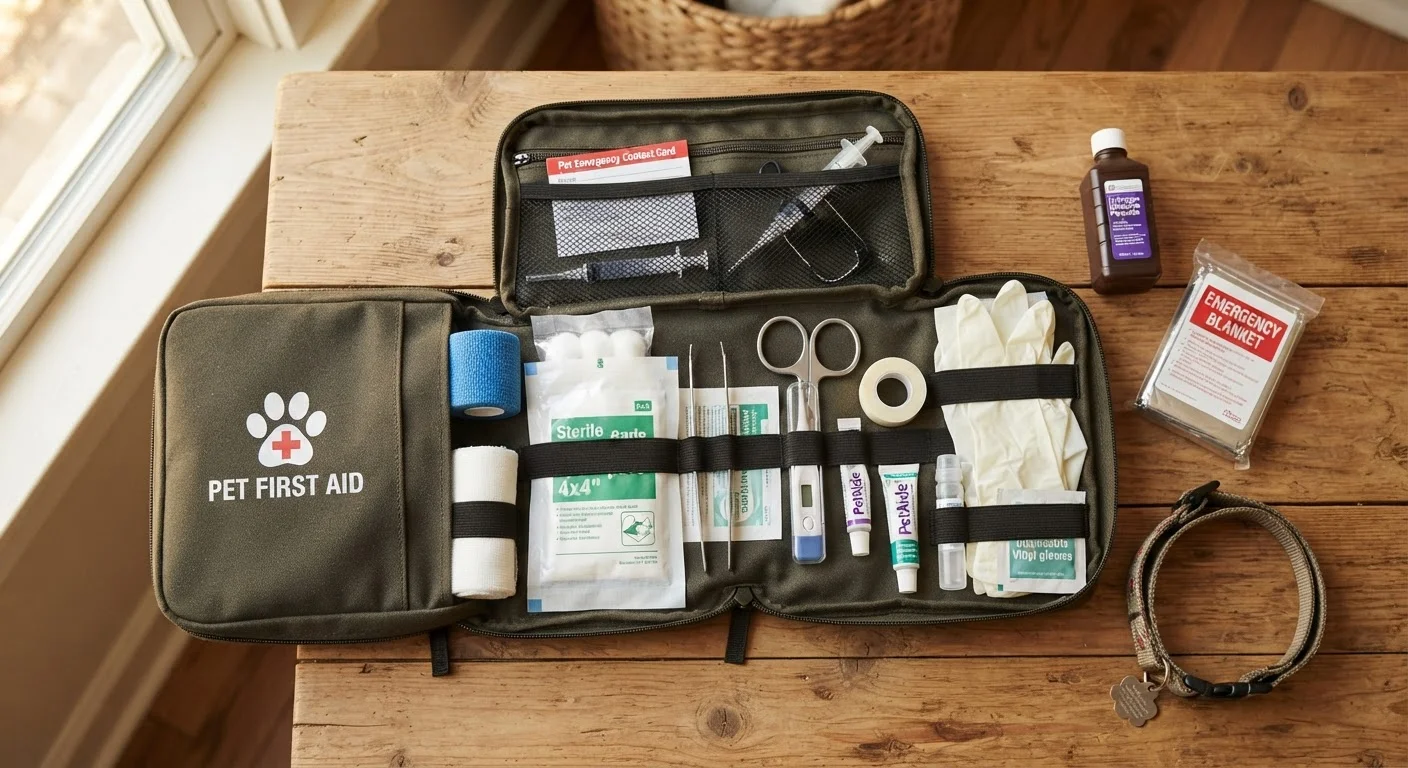
Building a Pet First Aid Kit: What Belongs Inside and Why
A practical checklist of supplies every pet household should have on hand for minor injuries and emergencies before reac…

Caring for a Pet With a Chronic Condition: Practical Day-to-Day Guidance
Managing diabetes, arthritis, allergies, or kidney disease in a pet is demanding. These approaches can help make long-te…

Dog Food vs. Cat Food: Can Pets Really Share Each Other's Meals?
Dogs and cats have very different nutritional needs. Here's why swapping their food — even occasionally — can cause real…

Flea, Tick, and Worm Prevention: Common Gaps in Pet Parasite Control
Many pet owners believe their parasite prevention is complete when it isn't. Here are the oversights most commonly seen …

Home Dental Care for Dogs and Cats: A Practical Starting Point
Dental disease is one of the most common — and preventable — pet health issues. Here's how to build a simple oral care r…

Indoor vs. Outdoor Cats: Health Risks and Trade-Offs Worth Understanding
Keeping a cat indoors or letting them roam outside each carries real health implications. Here's what the evidence says …

Keeping an Ageing Pet Comfortable: Care Priorities as Dogs and Cats Get Older
Older pets have changing health needs. This guide covers the key areas — mobility, nutrition, vet visits, and pain aware…

Pet Health Insurance: What It Covers, What It Doesn't, and How It Works
A plain-language guide to how pet insurance policies are structured, what exclusions to watch for, and the questions wor…

Pet Vaccination Schedules Explained: Core vs. Non-Core Vaccines
A clear breakdown of which vaccinations are considered essential for dogs and cats, which are optional, and how schedule…

Popular Pet Health Myths That Can Lead Owners Astray
From 'dogs heal wounds by licking' to 'cats always land safely', these widespread beliefs can cause real harm. Here's wh…

Signs Your Pet May Be in Pain - and Why They Hide It So Well
Animals instinctively conceal discomfort. Learn the subtle behavioural and physical cues that may indicate your pet need…

Small Pet Care Fundamentals: Rabbits, Guinea Pigs, and Hamsters
Small mammals are often misunderstood as low-maintenance. This introduction covers their real health, housing, and socia…

Spaying and Neutering: Health Effects Beyond Population Control
The health implications of desexing go well beyond preventing unwanted litters. Here's a balanced look at the benefits, …
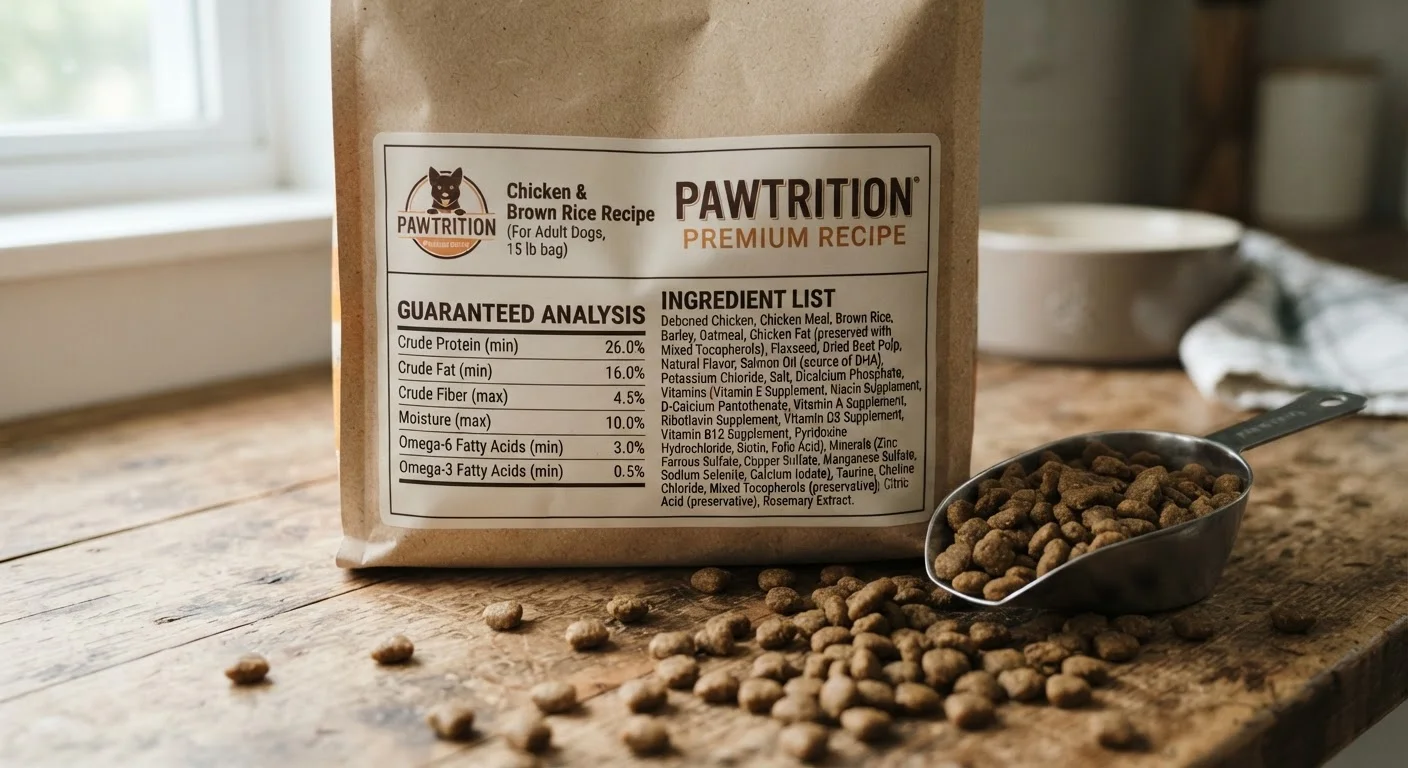
What Pet Food Labels Actually Mean
Decode the ingredient lists, guaranteed analysis panels, and marketing terms on pet food packaging to make better-inform…
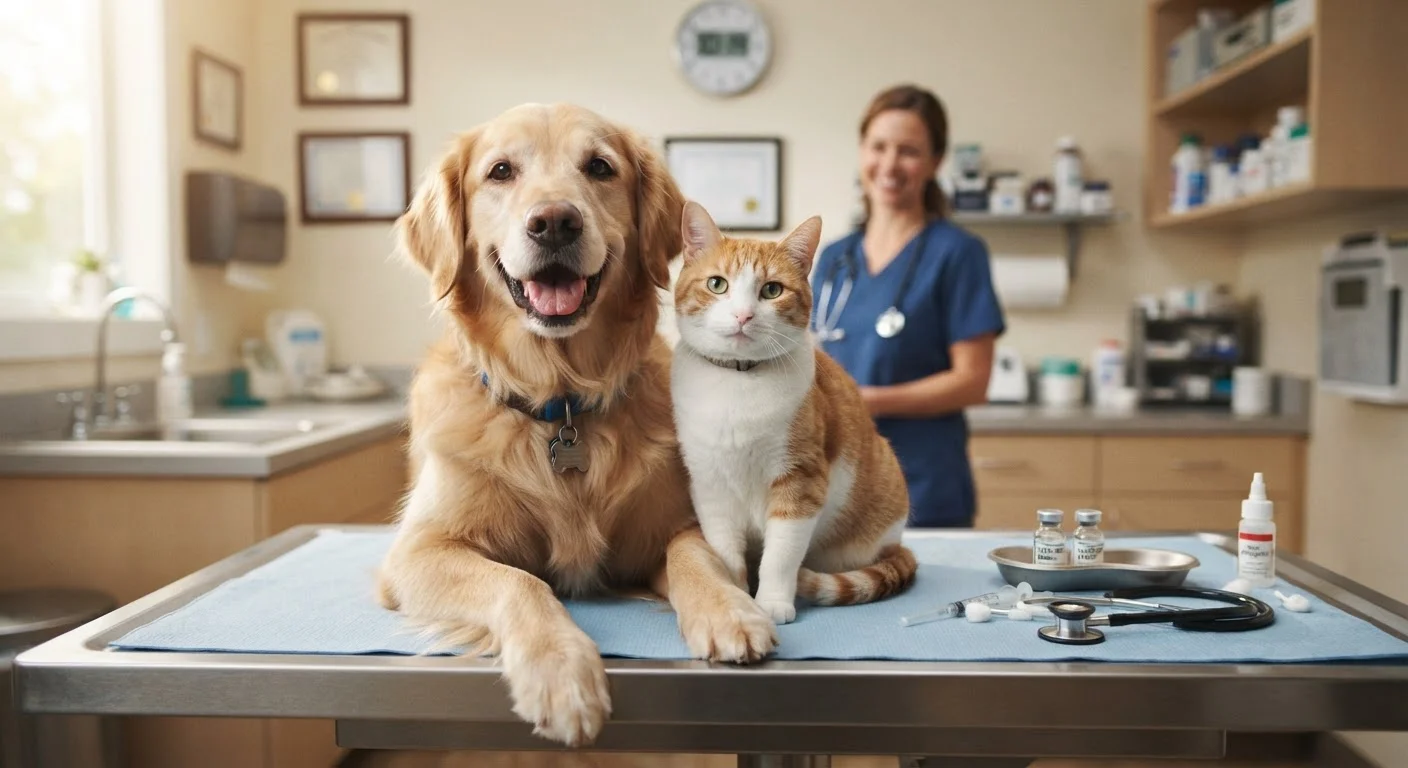
Why Preventive Pet Care Saves More Than It Costs
Routine check-ups, vaccinations, and dental cleanings aren't just good medicine — they can significantly reduce emergenc…

Your New Pet's First Vet Visit: What to Expect and How to Prepare
Everything first-time pet owners should know before that inaugural vet appointment — from paperwork to questions worth a…

Before You Change Your Pet's Diet: A Nutritional Readiness Checklist
Thinking about switching food types, brands, or feeding approaches? Work through these key considerations before making …

Cat Nutrition from Scratch: What Makes Felines Nutritionally Unique
Cats are obligate carnivores with specific dietary needs that differ fundamentally from dogs. A foundational guide for n…

Dry Kibble vs. Wet Food: What the Nutritional Differences Actually Mean
Beyond texture and price, kibble and wet food differ in moisture, protein density, and digestibility. Here's how those d…

Feeding a Pet with Allergies or Food Sensitivities
Food allergies in pets are often misdiagnosed. Understand what an elimination diet involves, how sensitivities are ident…
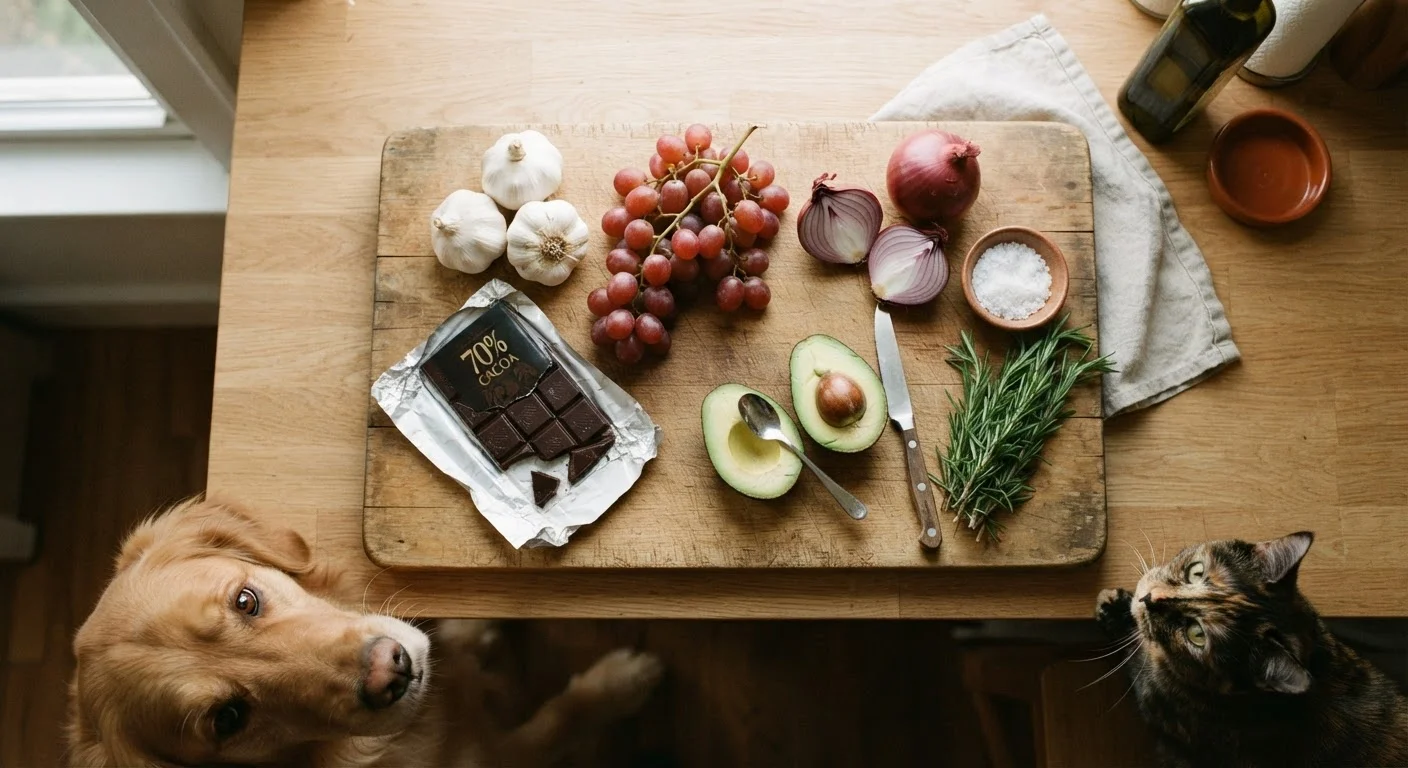
Foods Commonly Found in Human Kitchens That Are Harmful to Pets
Some everyday household foods are toxic to dogs and cats. A reference guide to what to keep well out of reach and why ea…

Homemade Pet Food: Getting the Balance Right
Cooking for your pet can be rewarding, but nutritional gaps are a genuine risk. What to understand about balancing homem…

Pet Food Ingredients That Owners Frequently Misunderstand
"By-products", "meal", "natural", and "holistic" — these terms mean something specific (or nothing at all). Clearing up …

Raw Feeding for Dogs: What Owners Should Understand Before Starting
Raw diets attract strong opinions on both sides. Here's a balanced look at the claimed benefits, documented risks, and f…

Reading a Pet Food Label Without Getting Lost
Ingredient lists, guaranteed analysis, and feeding guidelines decoded — what pet food labels actually tell you and what …
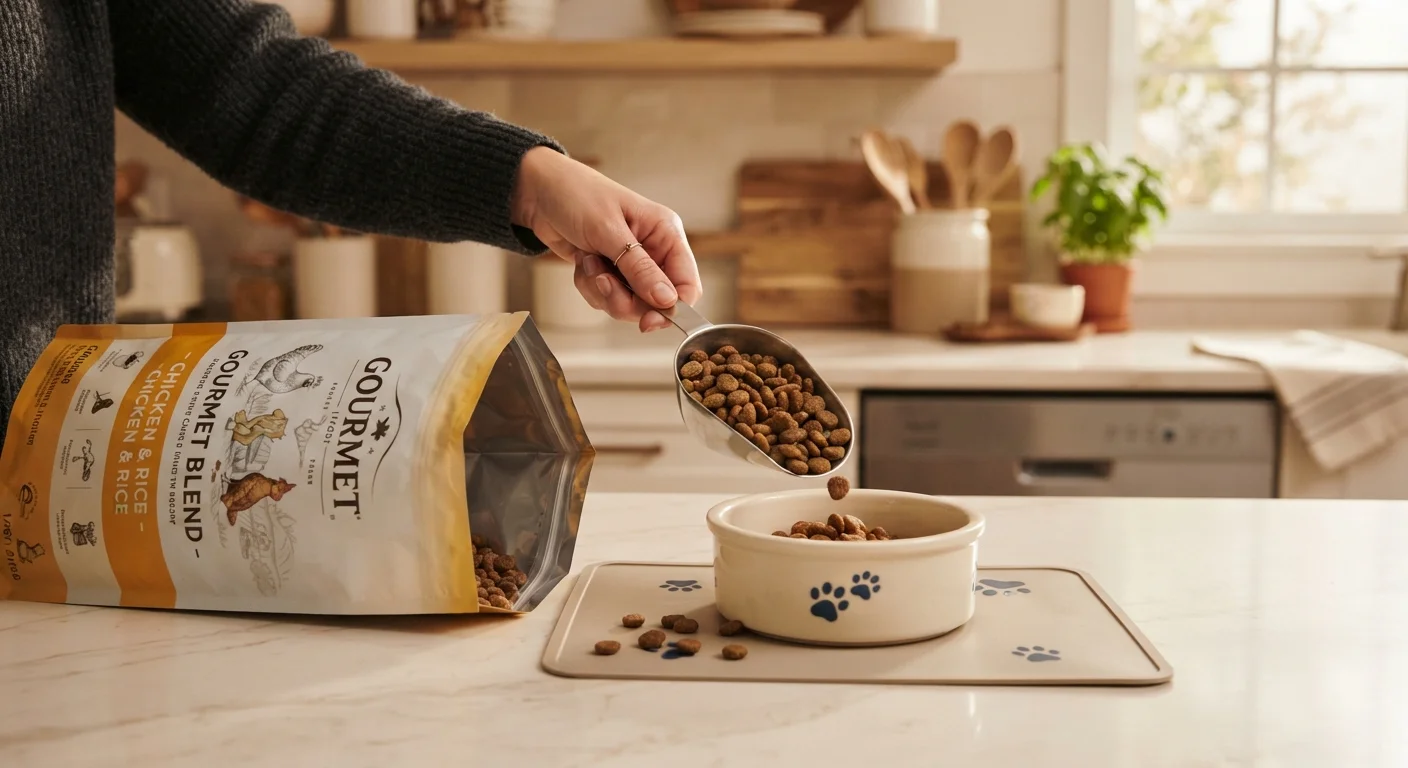
Stretching Your Pet Food Budget Without Cutting Nutritional Corners
Cost-conscious feeding strategies that prioritise your pet's health — from portion accuracy to understanding where ingre…

Supplements in Pet Diets: Useful Addition or Unnecessary Expense?
From fish oil to probiotics, pet supplements are everywhere. A grounded look at which have meaningful evidence behind th…

Switching Your Pet's Food Without Upsetting Their Stomach
A sudden diet change can cause digestive distress in cats and dogs. This step-by-step transition approach helps make the…

The Real Story Behind Grain-Free Pet Diets
Grain-free foods are popular, but are they better? Explore the science, the ongoing research debates, and when grain-fre…

What Dogs Actually Need from Their Diet at Every Life Stage
Puppies, adults, and seniors have distinct nutritional requirements. A clear breakdown of what changes — and why it matt…

Why Your Dog Seems Hungry All the Time (And What's Actually Going On)
Constant food-seeking in dogs isn't always about greed. Diet composition, caloric density, and feeding frequency all pla…

Approaches to Managing Separation Anxiety in Dogs
Separation anxiety is distressing for dogs and owners alike. Explore evidence-informed behavioural strategies and when t…

Before You Start Training Your Pet: A Preparation Checklist
Set yourself and your pet up for success. Run through this practical checklist covering environment, tools, schedule, an…

Cat Training: Separating Myth from Reality
Cats can't be trained — or can they? This article tackles the most persistent myths about feline learning and what the e…

Clicker Training vs. Verbal Cue Training for Dogs
Clicker and verbal cue methods each have strengths. Explore how they differ, when each works best, and which suits your …

Common Pet Training Terms Every Owner Should Understand
From operant conditioning to extinction bursts, this quick-reference glossary demystifies the language trainers use so y…

DIY Training vs. Hiring a Professional: Weighing the Trade-Offs
Training your pet yourself saves money but comes with real limitations. A balanced look at when self-guided training wor…

Group Classes vs. Private Dog Training Sessions
Both formats can be effective, but they suit different dogs and goals. Compare the benefits, limitations, and costs of e…

Introducing a New Pet to a Multi-Animal Household
Managing introductions between resident and new pets requires patience and a clear plan. Learn the behavioural principle…

Positive Reinforcement in Pet Training: What It Is and Why It Works
Understand the science behind positive reinforcement and why reward-based training consistently outperforms punishment-b…

Teaching a Dog to Walk Calmly on a Lead
Pulling on the lead is one of the most common complaints from dog owners. Follow this step-by-step approach to building …

The Key Principles Behind Effective Animal Training
Timing, consistency, motivation, and criteria-setting underpin almost every training success. A clear breakdown of what …

Training a Puppy: Everything First-Time Owners Need to Know
From sit and stay to crate acceptance and socialisation, this complete guide walks new puppy owners through every founda…

Training an Older Dog: What Changes and What Stays the Same
The old saying about old dogs and new tricks is largely a myth. Here's what to realistically expect when training adult …

Ways to Keep Training Sessions Engaging for Your Pet
Short attention spans and low motivation derail many training plans. These practical strategies help maintain focus and …

Why Your Dog Ignores Commands - And What to Do About It
Inconsistent response to cues is one of the most common training frustrations. Learn the real reasons it happens and how…