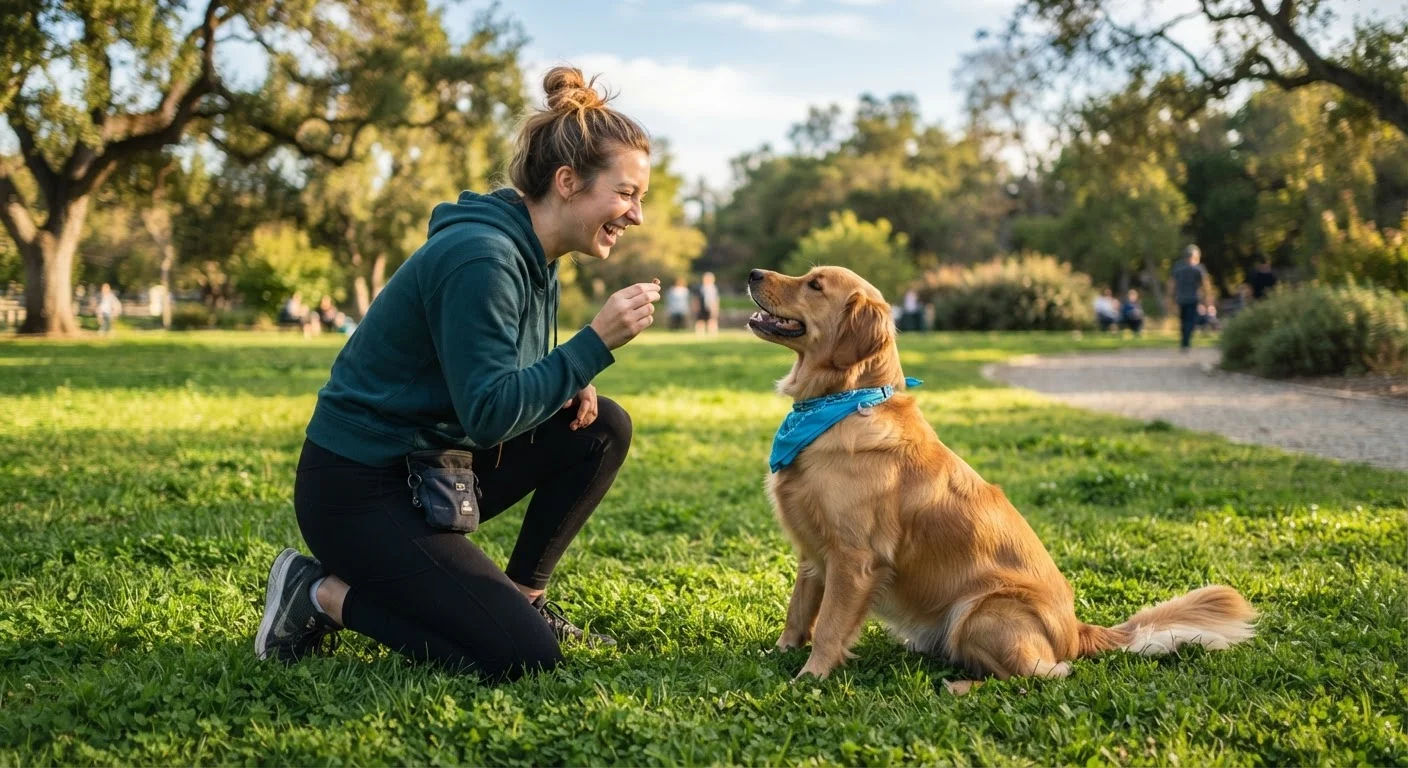
Why Engagement Is the Real Training Challenge
Most pet owners understand the basics of reward-based training, but engagement - keeping a pet genuinely motivated and focused - is where many training plans quietly fall apart. A dog that checks out after two minutes, or a cat that wanders off mid-session, isn't being stubborn. They're responding to sessions that have become predictable, too long, or poorly matched to their current energy level.
The good news is that engagement is highly trainable in itself. With a few adjustments to structure, timing, and reward variety, you can transform routine drills into sessions your pet actively looks forward to. Understanding the key principles behind effective animal training - particularly motivation and criteria-setting - provides the foundation these strategies build on.
Keep sessions short and frequent
For most pets, 5 to 10 minutes is the sweet spot for a single training session. Beyond that, attention tends to drift and the quality of responses drops. Multiple brief sessions throughout the day are far more productive than one long marathon that leaves your pet mentally fatigued or frustrated.
Frequency matters more than duration. A dog that practices a behavior three times across a day retains it better than one that drills it twenty times in a row. Build training into natural transitions - before a meal, after a walk, or during a TV commercial break - so it becomes a consistent, low-pressure habit.
Multiple short sessions outperform one long drill for retention and engagement.
Rotate and vary your rewards
If your pet receives the same treat every session, its value diminishes over time - a concept known in behavioral science as satiation. Rotating reward types keeps motivation high. This might mean alternating between small food treats, brief play with a favorite toy, or enthusiastic verbal praise depending on what your pet finds most motivating in the moment.
Pay attention to what your pet responds to most strongly on a given day. A dog that's already had a big meal may prefer play over food. Learning to read these preferences - and adjusting accordingly - is one of the hallmarks of effective training. For a deeper look at why reward-based methods work, see our guide on positive reinforcement in pet training.
Rotating reward types prevents satiation and keeps your pet motivated to engage.
Change up the environment
Practicing the same behavior in the same room every day produces a pet that performs well only in that room. Introducing new environments - the backyard, a quiet park, a friend's hallway - adds novelty that naturally re-engages your pet's attention. It also builds the crucial skill of generalization: understanding that "sit" means sit everywhere, not just in the kitchen.
Start in low-distraction settings and gradually increase complexity. A dog learning to walk calmly on a lead, for example, benefits from practicing in progressively busier locations as the skill solidifies. Our step-by-step guide to calm lead walking shows how to structure this kind of environmental progression.
New environments reactivate curiosity and teach your pet that cues apply everywhere.
Mix new challenges with familiar wins
Sessions that are too difficult become frustrating; sessions that are too easy become boring. The most engaging approach weaves new skills in with behaviors your pet already knows well. Starting with a few confident, well-rewarded repetitions of a mastered cue warms up your pet's focus and creates positive momentum before you introduce harder material.
A useful ratio to experiment with: spend roughly 70-80% of the session on known behaviors and 20-30% on new ones. This keeps success rates high and the emotional tone of the session upbeat, which matters - animals learn better when they're in a calm, positive state.
Blending known wins with new challenges keeps sessions both motivating and productive.
Always end on a positive note
The last moment of a training session is disproportionately memorable for your pet. Ending with a success - even if it means stepping back to an easier behavior your pet nails confidently - builds a strong positive association with training itself. Over time, this means your pet approaches sessions with eagerness rather than ambivalence.
If a session isn't going well, don't push through hoping it will improve. Wrap up early with something simple your pet does reliably, reward generously, and try again later. Knowing when to stop is a skill that separates experienced trainers from frustrated ones. For a fuller picture of training fundamentals, the glossary of common pet training terms is a useful reference.
Ending on a success shapes how your pet feels about the next training session.
Read your pet's body language
Engagement isn't just about what your pet does - it's about what their body is telling you. Yawning, lip-licking, turning away, or slowing down are common signs that a pet is mentally full or mildly stressed. Catching these signals early allows you to adjust intensity, take a short break, or end the session before frustration sets in.
Conversely, a pet that's bright-eyed, alert, and orienting toward you is in an ideal learning state. Match your session demands to that window. Over time, learning to read these cues becomes second nature, and your sessions become more efficient as a result.
Body language tells you when to push forward and when to call it a session.
Putting It All Together
Engagement isn't a fixed trait - it's something you actively cultivate through smart session design. The strategies above work because they align with how animals actually learn: in short bursts, with varied stimulation, clear communication, and consistent payoffs. When your pet looks forward to training time, progress accelerates and the experience becomes genuinely enjoyable for both of you.
Use mealtime as a training opportunity
Feeding your pet from a bowl is a missed chance to reinforce good behavior. Using a portion of their daily food allowance as training rewards costs nothing extra and keeps caloric intake balanced. This is especially useful for food-motivated dogs and cats who become highly attentive when meals are involved. Always account for training treats in your pet's total daily food intake to avoid unintended overfeeding.
If you're weighing whether to continue training on your own or bring in outside help, the DIY training vs. hiring a professional breakdown offers a practical comparison. For owners working with adult or senior dogs, it's also worth reviewing what changes when training an older dog - the engagement principles apply, but session pacing may need adjustment.