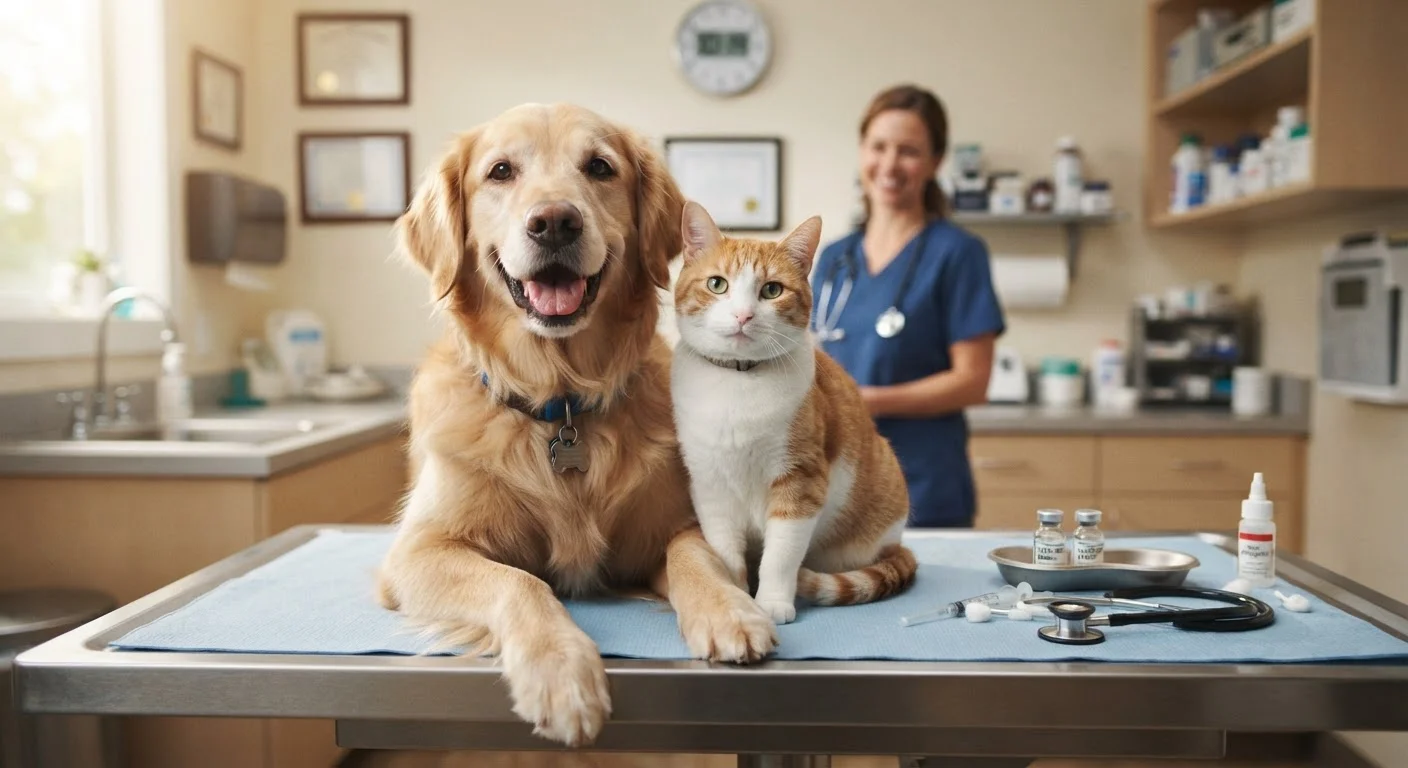
What Preventive Care Actually Covers
Many pet owners think of preventive care as just vaccinations - but it's a broader category that forms the foundation of lifelong pet health. A complete preventive care routine typically includes:
- Annual or semi-annual wellness exams - a head-to-tail physical assessment that catches subtle changes before they become serious conditions
- Core and lifestyle vaccinations - protection against diseases like rabies, distemper, parvovirus, and feline herpesvirus
- Parasite prevention - monthly or quarterly treatments for fleas, ticks, heartworm, and intestinal worms
- Dental care - professional cleanings supplemented by at-home maintenance such as brushing
- Routine diagnostics - baseline bloodwork and urinalysis, particularly for senior pets, to monitor organ function over time
Each of these components addresses a category of risk that, left unmanaged, tends to escalate in both severity and cost. See our guide to home dental care for practical steps you can take between professional cleanings.
The Real Cost of Skipping Routine Care
The financial logic of preventive care becomes clear when you look at what it's designed to avoid. Treating heartworm disease in a dog, for instance, typically costs many times more than a full year of monthly preventives - and the treatment itself carries health risks for the animal. Similarly, advanced dental disease often requires tooth extractions and anesthesia that run into hundreds or even thousands of dollars, while a professional cleaning caught early is considerably less involved.
4 in 5
Dogs showing dental disease by age 3
According to the American Veterinary Medical Association, the majority of dogs and cats show signs of periodontal disease by age three - making early dental care one of the highest-impact preventive measures available.
~$1,000+
Typical heartworm treatment cost per dog
Veterinary cost estimates widely cited in the US indicate heartworm treatment can cost $1,000 or more depending on disease severity - compared to a fraction of that for a full year of monthly prevention.
Up to 30%
Cats estimated to develop chronic kidney disease
Research cited in veterinary literature suggests a significant proportion of cats develop chronic kidney disease during their lifetime, with early detection through routine bloodwork linked to better long-term outcomes.
Chronic conditions like diabetes, kidney disease, and hyperthyroidism are often discovered during routine bloodwork before symptoms appear. When caught early, these conditions are usually more manageable - both medically and financially. Once a pet is in crisis, treatment becomes reactive, more intensive, and almost always more expensive. For owners already managing long-term illness, our article on caring for a pet with a chronic condition offers practical day-to-day strategies.
It's also worth noting that parasite-borne diseases - such as Lyme disease, Rocky Mountain spotted fever, and tapeworm infections - carry treatment costs that dwarf the price of consistent prevention. For a closer look at common gaps in parasite control, see our piece on flea, tick, and worm prevention.
Making Preventive Care Financially Manageable
One of the most common reasons pet owners delay routine care is upfront cost. A wellness exam, vaccines, parasite prevention, and bloodwork in a single visit can feel like a large expense - especially if it comes as a surprise. But there are several ways to make these costs more predictable and manageable.
Ask Your Vet About a Wellness Plan
Before your next visit, ask whether the practice offers a bundled wellness plan. These programs typically cover exams, core vaccines, and parasite screening for a flat monthly fee - making it easier to budget for routine care without facing large one-time bills. Not all plans are equal, so ask specifically what's included and what isn't.
Wellness plans: Many veterinary practices now offer in-house wellness plans that spread routine care costs into monthly payments. These are not insurance - they don't cover illness or injury - but they can make budgeting for preventive services much easier.
Prioritize strategically: If budget is tight, discuss with your vet which services are most essential for your specific pet's age, lifestyle, and risk profile. A largely indoor cat has different priorities than a dog that hikes in wooded areas. Skipping non-essential items temporarily is different from skipping core vaccines or parasite prevention.
Nutrition as prevention: Feeding a nutritionally complete diet appropriate for your pet's life stage supports immune function, healthy weight, and organ health - all of which reduce disease risk over time. Our article on stretching your pet food budget shows how to feed well without overspending.
Being prepared also helps. A pet first aid kit won't replace veterinary care, but it can reduce the urgency - and cost - of minor incidents that might otherwise require an emergency visit.
This article is for general informational purposes only and does not constitute veterinary advice. Always consult a licensed veterinarian for guidance specific to your pet's health needs.