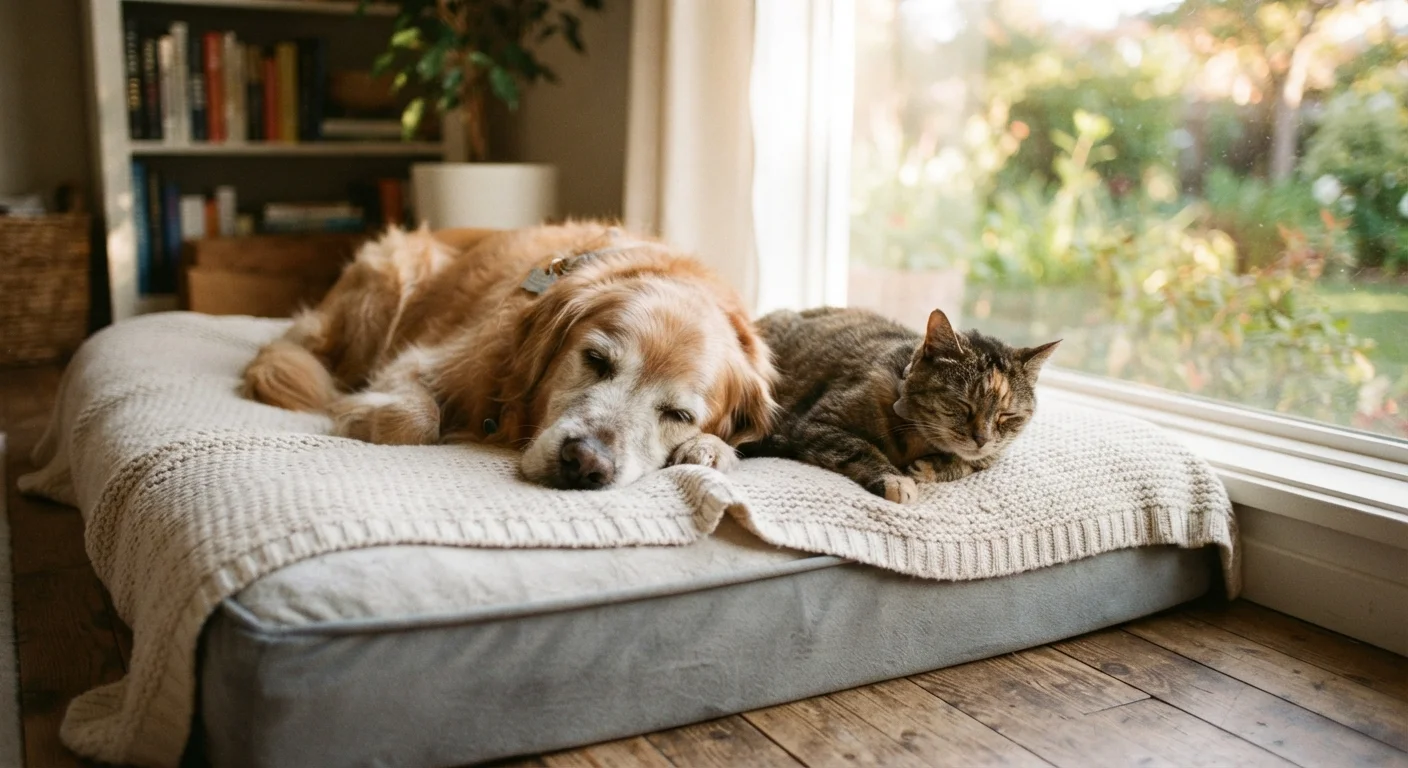
Recognizing the Signs of Ageing
Dogs are generally considered seniors around age seven, though large and giant breeds age faster - a Great Dane may be geriatric at six. Cats typically enter their senior years around ten. However, chronological age only tells part of the story. How a pet ages depends heavily on genetics, weight history, prior health issues, and the care they've received throughout their lives.
Early signs of ageing are easy to miss or attribute to personality. A dog who tires more quickly on walks, a cat who stops jumping onto the couch, or a pet who seems reluctant to play as long as they used to - these are worth noting, not dismissing. Understanding how animals conceal discomfort is especially important here, because instinctive pain-hiding means owners often see behaviour changes long before any obvious physical symptoms emerge.
Keeping a simple journal of changes - appetite, sleep patterns, movement, toileting habits - gives your veterinarian valuable information and helps you track gradual shifts you might otherwise normalize.
Mobility and Pain Management
Arthritis is one of the most common conditions in older dogs and cats, and it is frequently underdiagnosed. Veterinary studies suggest the majority of dogs over eight show some radiographic evidence of joint degeneration, yet many owners don't realize their pet is in pain because the signs are subtle: hesitation on stairs, stiffness after rest, reduced grooming in cats, or a changed gait.
When assessing a senior pet for pain, watch for changes in posture and facial expression during movement - a tucked abdomen, pinned ears, or a furrowed brow can all signal discomfort that owners miss.
Veterinary pain assessment scales used in clinical settings incorporate subtle postural and facial cues precisely because behavioral changes precede obvious signs like vocalizing or limping.
Before each vet appointment, film a short video of your senior pet moving around the home - this gives the vet objective evidence of gait changes or hesitation that may not appear during a clinic exam.
Pets often mask symptoms in high-stress environments like veterinary clinics, meaning owners' in-home observations are among the most clinically useful data veterinarians receive.
Pain management is a medical question - always work with your veterinarian before giving any supplement or over-the-counter product. Many human pain medications are toxic to pets. Your vet may recommend prescription anti-inflammatory medication, joint supplements such as omega-3 fatty acids or glucosamine, or therapeutic approaches like laser therapy or hydrotherapy depending on severity.
For day-to-day support, non-slip rugs on hard floors, ramps or steps to furniture, and raised food and water bowls can reduce strain on joints without any cost beyond modest home adjustments. If your pet's condition progresses, see our practical guidance on caring for pets with chronic conditions for longer-term management strategies.
Nutrition for Older Pets
A senior pet's nutritional needs differ meaningfully from those of a younger adult. Metabolic rate typically slows, which can contribute to weight gain if caloric intake isn't adjusted. At the same time, some older pets - particularly cats - trend toward weight loss due to reduced digestive efficiency or underlying illness. Neither pattern should be assumed to be normal without a veterinary assessment.
Key dietary considerations for senior pets include higher-quality protein to support muscle maintenance, adjusted phosphorus levels if kidney function is a concern, and attention to dental-friendly textures if oral health has deteriorated. For a thorough breakdown of life-stage nutritional shifts, see what dogs actually need from their diet at every life stage.
Switching to a senior-formulated food isn't always necessary - formulations vary widely and some are better supported by evidence than others. Discuss any dietary change with your vet before making it, and consult our nutritional readiness checklist before switching food types or brands.
Stretch Your Senior Pet Food Budget Wisely
Feeding a senior pet on a budget doesn't require cutting corners on nutrition. Accurate portion sizing using a kitchen scale (rather than cup estimates) can prevent overfeeding and reduce monthly food costs. For more strategies, see our guide on feeding well without overspending.
Vet Visit Frequency and Preventive Screening
Most veterinary professional organizations recommend that senior pets transition from annual to biannual wellness exams. The rationale is straightforward: age-related conditions can progress quickly, and catching them early - whether kidney disease, hyperthyroidism in cats, or dental disease - generally means more treatment options and lower long-term costs.
Routine blood panels and urinalysis give veterinarians a baseline and allow them to track trends over time. A single abnormal result is less informative than seeing how values have changed across multiple visits. Ask your vet about establishing a baseline panel while your pet is still in good health.
Dental health deserves particular attention in senior pets. Advanced periodontal disease can cause systemic inflammation and significant pain, yet many owners underestimate it. See home dental care practices for dogs and cats for what you can do between professional cleanings.
This article provides general health information for educational purposes and is not a substitute for professional veterinary advice. Always consult a licensed veterinarian for guidance specific to your pet's health needs.
Home Environment Adjustments
A few practical changes to your home can make a significant difference to an older pet's daily comfort and safety. Consider the following adjustments based on your pet's specific challenges:
- Bedding: Orthopedic or memory foam beds cushion pressure points for dogs and cats with joint pain. Position beds in warm, draft-free spots - cold environments worsen arthritic discomfort.
- Accessibility: Ramps or pet steps allow access to furniture or vehicles without painful jumping. For cats, lower the sides of litter boxes or switch to shallow-entry designs so they don't have to climb over a high edge.
- Flooring: Non-slip mats on hard surfaces help pets with weakened hindquarters maintain traction and confidence.
- Food and water stations: Elevated bowls reduce neck and shoulder strain. For cats prone to urinary issues, multiple water sources around the home can encourage adequate hydration.
- Temperature: Senior pets regulate body temperature less efficiently. Ensure they have access to warmth in cooler months and shade and cool water in summer.
None of these require major expenditure, and the impact on your pet's comfort can be substantial.
Mental Wellbeing and Engagement
Cognitive decline is a recognized condition in older dogs - canine cognitive dysfunction - and emerging evidence suggests cats can experience something similar. Signs include disorientation, altered sleep-wake cycles, changes in social interaction, and house-soiling without a physical cause. If you notice these changes, raise them with your vet; there are both medical and environmental approaches that may help.
Even without cognitive decline, mental engagement matters. Shorter, gentler physical activity paired with nose-work games, food puzzles, and calm training sessions can keep older pets mentally active without overtaxing their bodies. Training an older dog is more feasible than many owners assume - and the mental stimulation it provides is genuinely valuable.
Social connection with their human family is also a health input for older pets. Cats who once seemed independent may seek more closeness; dogs may want reassurance more than vigorous exercise. Responding to these shifts - rather than pushing the routines of their younger years - is itself a form of good care.