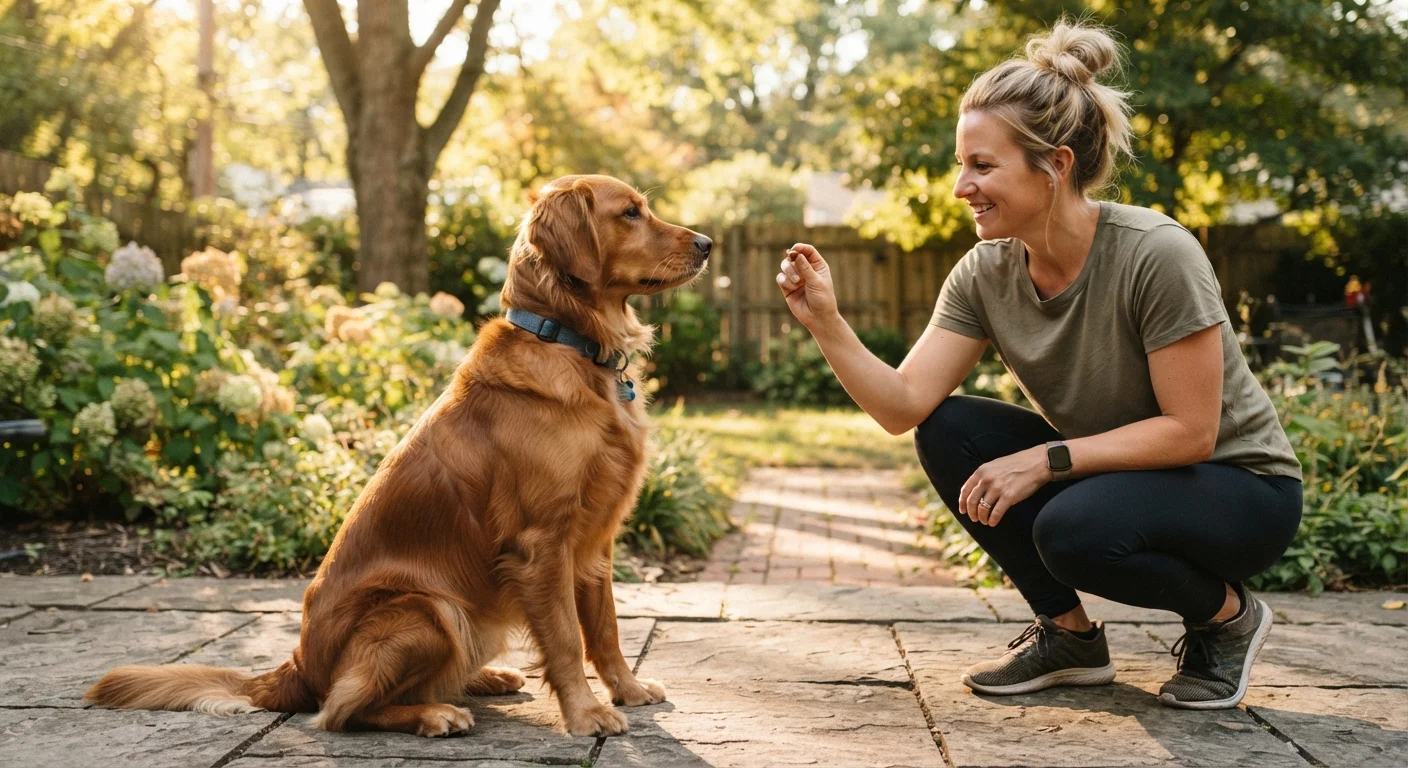
The Real Reason Your Dog Tunes You Out
It's a frustrating moment every dog owner knows: you ask your dog to sit, they glance at you, then carry on sniffing the ground as if you said nothing. Before concluding your dog is being stubborn or dominant, it's worth looking more carefully at what's happening from the dog's perspective.
Dogs don't generalize behavior the way humans do. A command learned in one context is, to your dog, a specific behavior tied to that environment, that reward, and those conditions. When any element changes, the reliability of the response can crumble. The good news: this is a training gap, not a character flaw, and it's fixable with a clearer, more consistent approach.
Rule Out Medical Causes First
If your dog has suddenly stopped responding to cues they once knew reliably, a veterinary check-up is warranted before resuming intensive training. Hearing loss, pain, cognitive decline, and thyroid issues can all affect a dog's ability or willingness to comply. Never assume stubbornness without first clearing physical causes with your veterinarian.
Understanding key training terminology - like generalization, proofing, and reinforcement schedules - can help you diagnose exactly where a training plan is falling apart.
Mistakes That Break Down Reliable Responses
Most command-ignoring problems can be traced directly to a handful of avoidable training errors. The mistakes below are among the most common patterns seen across dogs of all ages and breeds. Recognizing them in your own routine is the fastest path to correction.
Repeating the cue multiple times before the dog responds.
Why it happens: Owners naturally repeat a command when the dog doesn't move immediately, not realizing they're teaching the dog that the first cue is optional.
Skipping proofing - practicing only at home in familiar conditions.
Why it happens: Dogs learn contextually. A "sit" practiced exclusively in the kitchen doesn't automatically transfer to the park. Owners often assume the dog has generalized the behavior when they haven't.
Using rewards the dog doesn't actually find motivating in that moment.
Why it happens: Owners often stick with one treat type regardless of setting, not accounting for how competition from the environment changes what's rewarding to the dog.
Raising difficulty too fast before the dog is ready.
Why it happens: Enthusiasm leads owners to add distance, duration, and distractions all at once, overwhelming the dog's ability to succeed and causing the behavior to fall apart.
Ending sessions when the dog is already disengaged or frustrated.
Why it happens: Owners often push through to get "just one more good response," but if the dog is mentally tired, this only reinforces a pattern of failure.
Inconsistent rules across household members or settings.
Why it happens: When one person allows the dog on the couch and another doesn't, or one person requires a sit before meals while another doesn't, the dog learns the rules are negotiable.
If you're working with an adult or senior dog, know that the core principles still apply - though the pace and approach may need adjusting. Our guide on training older dogs covers what realistically changes and what stays the same.
Building Reliability: A Practical Reset
If commands have become unreliable, the most effective reset is to temporarily lower all expectations and rebuild the behavior from scratch in a low-distraction environment. This isn't starting over - it's strategic regression that reestablishes a foundation of success.
3-5 min
Ideal training session length for most dogs
Behaviorists and certified trainers broadly recommend keeping sessions short to maintain engagement and end on a high note before mental fatigue sets in.
80%+
Success rate needed before increasing difficulty
A commonly cited guideline in applied animal behavior holds that dogs should be succeeding on roughly 80% of attempts before criteria are raised.
Begin each session with a short warm-up of easy, well-known behaviors to get the dog engaged and in a reward-seeking mindset. Then introduce the target cue, reward generously for compliance, and quit before the dog disengages. Vary reward timing and type to keep responses sharp rather than robotic.
When it comes to choosing how you'll mark and reward correct behavior, comparing clicker and verbal cue methods can help you choose the approach that fits your dog's learning style and your daily routine. Whichever method you use, precision and consistency in marking the exact moment of correct behavior is what makes the difference between a dog that sometimes complies and one that reliably does.
This article is for general informational and educational purposes only and is not a substitute for guidance from a certified professional dog trainer or veterinarian. If your dog's behavior has changed suddenly or significantly, consult a veterinary professional before adjusting your training approach.