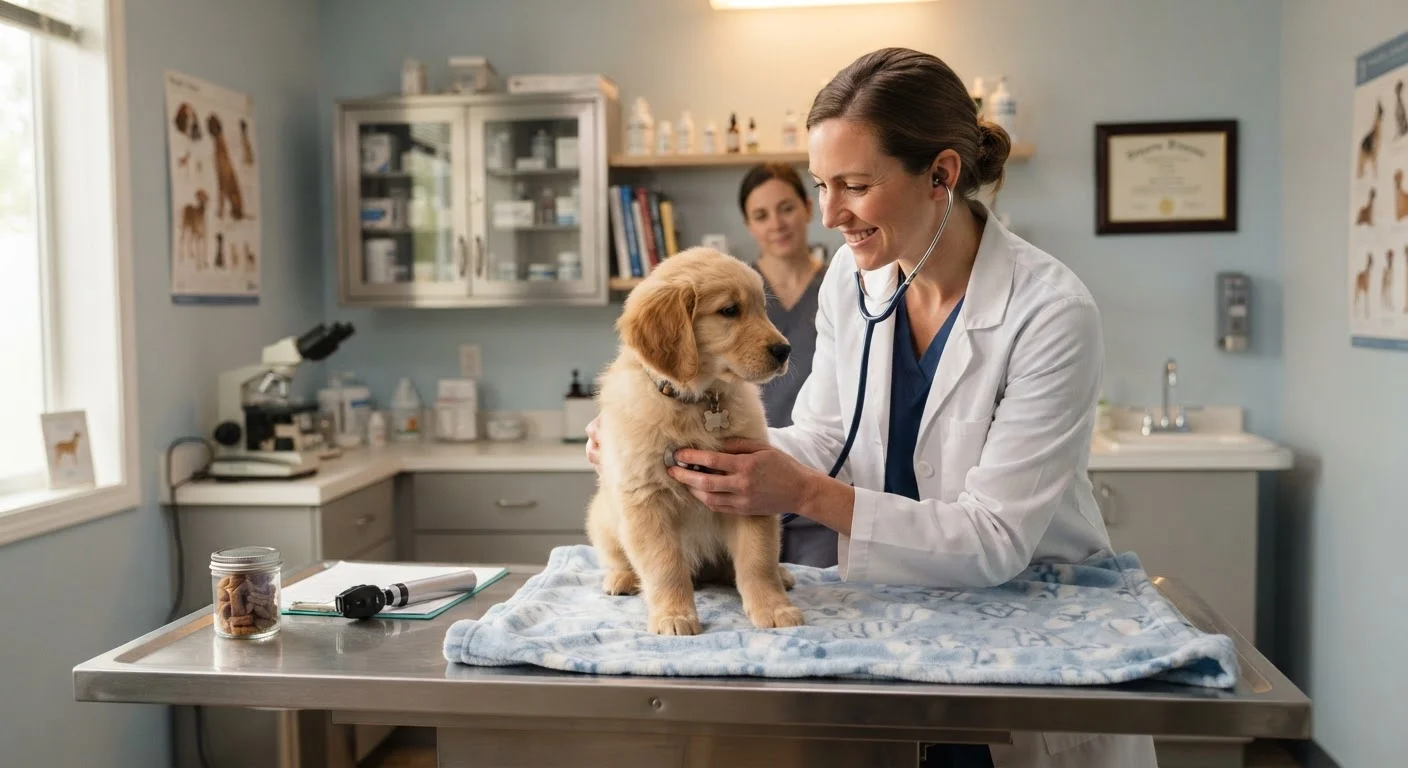
Why That First Appointment Matters So Much
The inaugural vet visit does more than confirm your pet is healthy - it establishes a health baseline, identifies hidden issues early, and starts the relationship between your pet and their care team. Many serious conditions, including intestinal parasites, heart murmurs, and nutritional deficiencies, show no obvious symptoms in the early stages but are detectable during a routine physical exam.
There's also a practical financial dimension. Catching problems early almost always costs less than treating them after they've progressed. Pets coming from shelters, rescues, or unknown breeding situations may have had inconsistent prior care, making that first professional assessment especially important.
This Is General Information, Not Medical Advice
This article provides general educational guidance for new pet owners. It is not a substitute for professional veterinary care. Every animal is different, and only a licensed veterinarian who examines your pet can give advice specific to their health needs. Always consult your vet with any concerns about your pet's condition.
If you've recently brought home a puppy, our complete puppy training guide can help you think holistically about those first critical weeks - health and behavior go hand in hand.
What to Bring and How to Prepare
Preparation before the appointment saves time in the exam room and helps the vet give your pet the most informed care possible.
What you will need
Gathering records and supplies in advance also helps you feel confident and organized, which your pet can pick up on - calmer owners generally mean calmer animals during exams.
Pet carrier or leash
Safely transports your pet to and from the clinic without risk of escape or injury.
Stool sample container
A fecal sample allows the vet to screen for intestinal parasites during the first visit.
Health records folder
Organizes any prior vaccination history, deworming records, or shelter health certificates.
Notebook or phone notes app
Helps you record the vet's recommendations, medication names, and follow-up dates.
Favorite treat or toy
Helps keep your pet calm and creates a positive association with the clinic environment.
Step-by-Step: From Booking to Follow-Up
Follow these steps in order to get the most out of your first veterinary visit - both for your pet's health and your own peace of mind.
Schedule the appointment promptly
Book the visit within the first week of bringing your pet home - ideally within 48 to 72 hours if possible. Many shelters and breeders require a vet check within a set timeframe as a condition of adoption or sale. Early scheduling also lets the vet catch any health issues that may not be immediately visible to you.
Collect your pet's existing health documents
Round up any paperwork provided by the shelter, rescue, or breeder. This typically includes a health certificate, records of prior vaccinations or deworming treatments, and any medications already administered. If your pet came with no records, that's fine - the vet will work from baseline. Organize what you have in a folder so nothing gets missed during the appointment.
Collect a fresh stool sample
Use a clean bag or the container your clinic recommends and collect a small amount of your pet's feces - roughly a teaspoon is usually sufficient. Keep it refrigerated and bring it on the day of the visit. This sample allows the vet to run a fecal parasite test, which is a standard and important part of any first exam, especially for pets coming from shelters or outdoor environments.
Prepare your questions in advance
Vet appointments move quickly. Writing down your questions beforehand ensures you cover everything that matters. Common topics first-time owners ask about include: appropriate diet and portion sizes (see the Pet Nutrition hub for background), spay or neuter timing, microchipping, flea and tick prevention, dental care, and behavioral concerns. If you're also working through early training, our training preparation checklist can help you think through behavioral questions to raise.
Transport your pet safely and calmly
Use a secured carrier for cats, small dogs, and small animals. Larger dogs should be on a fitted leash and collar or harness. Bring a familiar toy or a small treat to help ease anxiety. Avoid feeding a large meal right before travel to reduce the chance of motion sickness.
Participate actively during the examination
The vet will conduct a head-to-tail physical examination, checking eyes, ears, teeth, coat, weight, heart, and lungs. They'll review your records, discuss the fecal test results, and propose a vaccination schedule. Ask for clarification on anything you don't understand and take notes on medication names, dosages the vet prescribes, and follow-up appointment timing. This is also the right moment to discuss preventive care planning - a topic covered in depth in our article on why preventive care saves money long-term.
Confirm next steps before you leave
Before checking out, clarify the follow-up schedule, any medications being sent home with you, and what warning signs should prompt an unscheduled visit. Make sure you understand how to administer any treatments and ask whether the clinic has a patient portal, app, or phone line for follow-up questions.
Make the Clinic a Positive Place
Some pets become fearful of veterinary environments after stressful early visits. Using treats, calm handling, and praise during and after the appointment can help build a positive association. Ask your vet about 'fear-free' handling techniques if your pet shows signs of anxiety.
Don't Delay If You Notice These Signs
If your new pet is lethargic, not eating, vomiting, has diarrhea, is breathing rapidly, or shows any sign of pain or distress, don't wait for a scheduled appointment. Contact a veterinarian or emergency animal clinic immediately. Early illness can escalate quickly in young or recently rehomed animals.
What Comes Next After the First Visit
The first vet appointment is the beginning of an ongoing health partnership, not a one-time event. Most vets will schedule a follow-up within a few weeks to complete a vaccination series or reassess any flagged concerns. Annual wellness exams are the standard recommendation for most adult pets, with more frequent visits for puppies, kittens, seniors, and animals with chronic conditions.
Beyond medical care, think about the broader picture of your pet's wellbeing. Good nutrition fundamentals and consistent behavioral guidance through structured training are as important to long-term health as veterinary visits. If you've recently added a second animal, our article on introducing a new pet to a multi-animal household addresses the additional health and behavioral considerations that come with multi-pet homes.
This article is for general informational purposes only and does not constitute veterinary or medical advice. Always consult a licensed veterinarian for guidance specific to your pet's health needs.