The Science Behind the Method
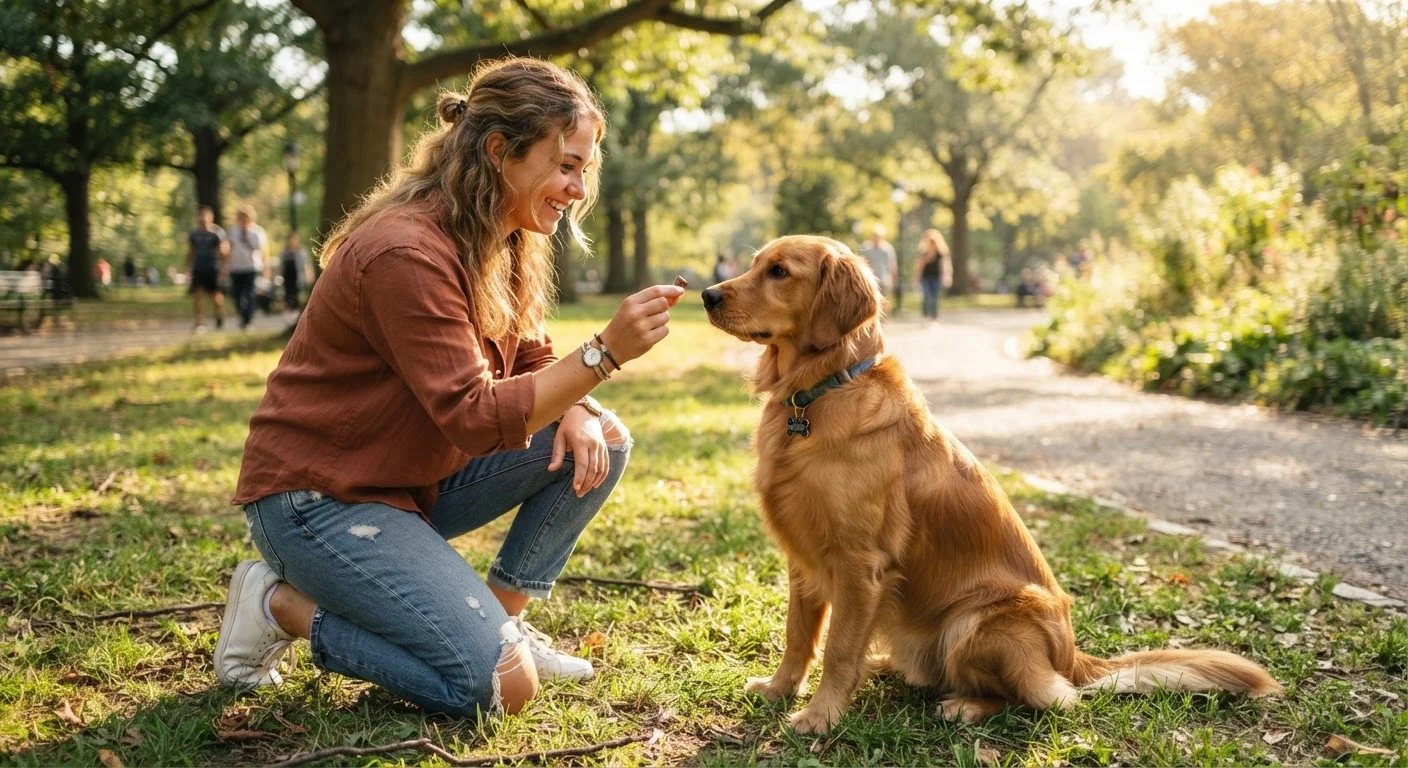
Positive reinforcement is not a trend or a philosophy - it is applied behavioral science. When an animal performs an action and immediately receives something it values, neural pathways in the brain reinforce that connection. Over repeated trials, the behavior becomes the animal's default response to that situation.
This mechanism relies on timing above almost everything else. Research in animal learning consistently shows that a reward delivered within one to two seconds of the behavior is far more effective than one delivered even five seconds later. The animal needs to draw a clear link between what it just did and what happened next. Effective animal training principles - including timing, consistency, and motivation - underpin why this approach works so reliably across species.
73%
Dogs trained with rewards show fewer problem behaviors
A study published in the journal Applied Animal Behaviour Science found that dogs whose owners used reward-based methods showed significantly fewer fear and aggression-related behaviors than those trained with aversive techniques.
2-3 sec
Maximum effective reward delivery window
Animal learning research consistently identifies a window of approximately one to two seconds - and no more than three - for a reward to be clearly associated with the preceding behavior.
5-10 min
Recommended session length for most pets
Veterinary behaviorists and certified trainers generally advise keeping individual training sessions to five to ten minutes to maintain focus and prevent mental fatigue, especially in young or novice animals.
Why Reward-Based Training Outperforms Punishment
Punishment-based methods may suppress a behavior in the short term, but they carry significant downsides. They do not teach the animal what to do - only what to avoid. They can trigger fear, anxiety, and defensive aggression, and they erode the trust between pet and owner that makes training possible in the first place.
Major professional organizations in veterinary medicine and applied animal behavior - including the American Veterinary Society of Animal Behavior - have issued position statements advising against the use of punishment-based tools such as choke chains, shock collars, and physical corrections. In contrast, reward-based training is associated with lower stress indicators, stronger owner-pet bonds, and more durable behavioral change.
“The more we learn about animal cognition and emotion, the clearer it becomes that learning built on positive experiences is not just kinder - it is more effective and more durable.”
— Dr. Karen Overall, Board-certified veterinary behaviorist and applied animal behavior researcher
For owners, the practical upside is significant: a pet that is engaged and motivated learns faster, meaning fewer total training sessions and less frustration on both sides.
Choosing the Right Reinforcer
A reinforcer is only effective if the animal actually wants it in that moment. Food is the most common choice because it is easy to deliver quickly and most pets are reliably food-motivated. Small, soft treats work well because they are consumed fast, keeping training momentum going.
That said, some pets respond better to other rewards. A game of tug, a brief round of fetch, or even enthusiastic verbal praise can function as powerful reinforcers for the right individual. Keeping training sessions engaging can help you identify and rotate reinforcers to sustain your pet's interest over time.
One important note: reinforcement value is determined by the animal, not the owner. If your pet walks away from a treat or ignores your praise, those stimuli are not reinforcing in that context - and you may need to adjust the reward, the environment, or the session length.
Start with High-Value Treats in New Environments
When training in a distracting setting - a park, a pet store, or a busy household - bring a reward your pet finds exceptionally motivating, such as small pieces of cooked chicken or cheese. Novel or high-value treats help your pet stay focused when competing stimuli are present. As the behavior becomes reliable, you can gradually reduce treat value and increase difficulty.
Putting It Into Practice
Getting started requires only three things: a motivated pet, a clear target behavior, and a reward ready to deliver instantly. Begin with simple, achievable behaviors - 'sit' or 'look at me' - so your pet experiences early success and builds confidence.
Keep sessions short: five to ten minutes is usually enough, especially for young animals or beginners. End on a successful repetition to leave your pet in a positive state. Consistency across all family members matters too - if one person rewards jumping while another discourages it, the animal receives conflicting information.
For owners interested in a structured delivery method, clicker training vs. verbal cue training offers a useful comparison of how to mark the exact moment of correct behavior. Familiarizing yourself with common pet training terminology can also help you understand and apply advice from trainers more effectively.
If your pet shows persistent fear, aggression, or other complex behavior concerns, consult a certified professional animal trainer or a veterinary behaviorist. General training information is not a substitute for individualized professional guidance.
This article is for general informational purposes only and is not a substitute for professional veterinary or animal behavior advice. Always consult a qualified professional for guidance specific to your pet's needs.