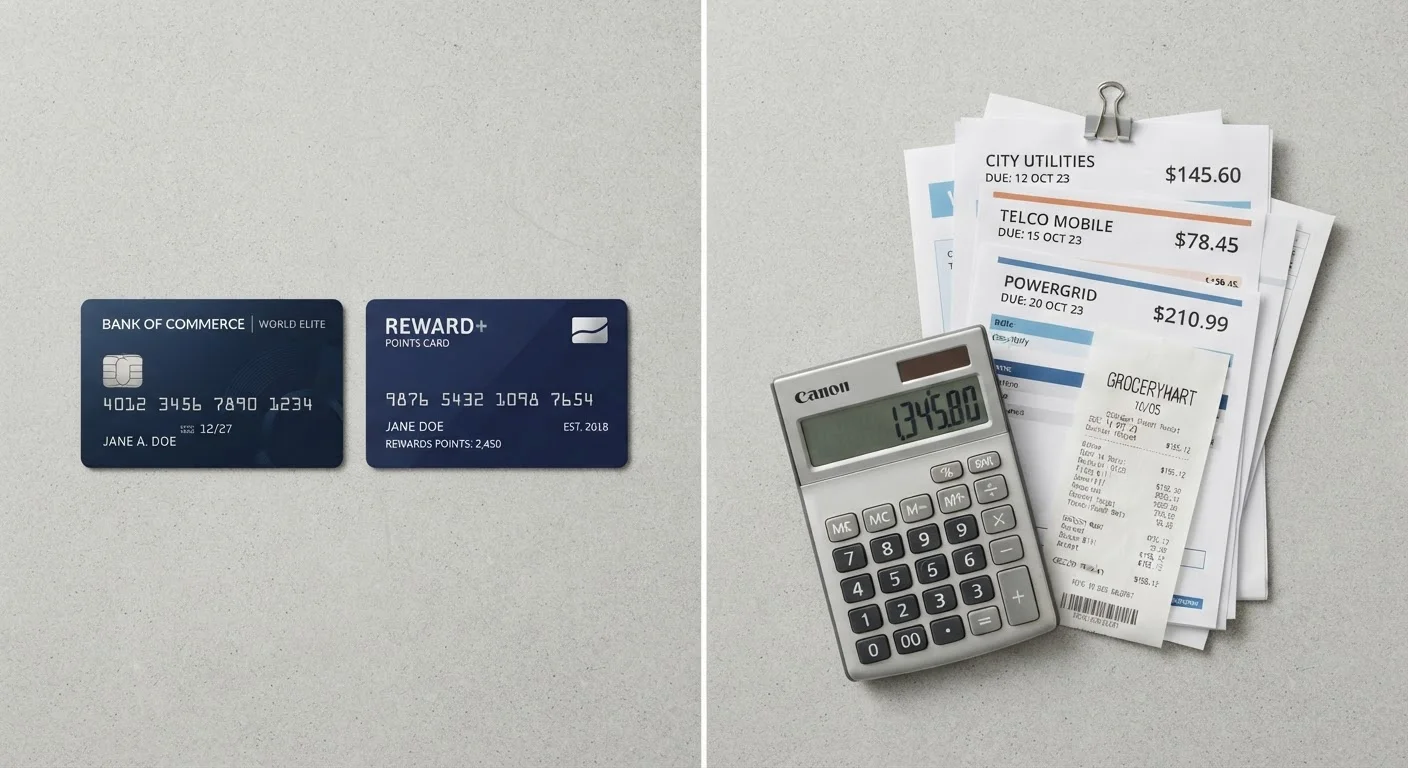
What Reward-Optimising Actually Means
Reward-optimising refers to deliberately structuring purchases, card use, and loyalty enrolments to maximise cashback, points, or miles earned. At its most straightforward, it means using a cashback card for groceries. At its most involved, it means routing spending through portals, stacking loyalty schemes, and timing redemptions for maximum value.
These strategies exist on a spectrum. The passive end - simply activating a rewards card for everyday purchases - requires minimal effort and carries low risk. The active end - manufacturing spend, juggling multiple cards with rotating categories, or booking travel solely to earn elite status - demands time, precision, and a higher tolerance for complexity. For a grounded look at how the underlying structures differ, see how each rewards model works before deciding how far to go.
Earn real monetary value on routine spending
When used on purchases you'd make anyway, cashback and points represent incremental return at no additional cost. Over a year of grocery, gas, and utility spending, consistent earners can accumulate meaningful balances without altering their budget.
Cashback provides transparent, easily valued returns
Unlike points systems that require conversion calculations, cashback programmes deliver a straightforward percentage return. That simplicity makes it easier to evaluate whether a programme is worth maintaining. See how cashback compares to points and miles for a fuller breakdown.
Travel rewards can unlock outsized redemption value
Miles and transferable points, when redeemed strategically for flights or hotels, can return two to five cents per point - significantly above face value. This upside is programme-specific and requires research, but the ceiling is higher than cashback for engaged users.
Stacking layers multiplies per-transaction earnings
Using a cashback card through a cashback portal while earning retailer loyalty points on the same purchase can stack multiple reward streams simultaneously. Each layer individually is modest; combined, they add up faster.
Encourages tracking spending across categories
Managing reward categories often leads cardholders to pay closer attention to where their money goes. This side effect of optimisation - increased financial awareness - can support broader budgeting habits.
The Case Against: Where Reward-Chasing Goes Wrong
The central risk of reward-optimising is behavioural: programmes are designed to encourage spending, not saving. Retailers and card issuers know that a points incentive can shift purchasing decisions - and that shift often benefits the issuer more than the cardholder.
Incentivises overspending to hit earning thresholds
Spending more to earn more is the core failure mode of reward-chasing. Minimum spend bonuses, tiered earning rates, and limited-time category promotions are all programme mechanics designed to increase cardholder spend, often beyond what the reward justifies.
Interest charges instantly negate reward earnings
Carrying a balance on a rewards card at a typical APR eliminates the value of any cashback or points earned within days. A 2% cashback rate cannot offset 20%+ annual interest on an unpaid balance - the math is not close.
Programme devaluations erode accumulated balances
Loyalty programmes frequently revise the value of their points downward, alter redemption ratios, or restrict high-value transfer partners. Balances built over months can lose a significant portion of their effective value with a single programme update.
Annual fees can easily outpace reward earnings
Premium rewards cards often charge $95-$550 annually. Unless category bonuses align tightly with actual spending, the fee may exceed the value returned - particularly for cardholders who don't use the card's ancillary perks.
Complexity creates opportunities for costly errors
Juggling multiple cards, portals, and loyalty schemes introduces error risk: missed payment dates, expired points, or mis-routed purchases that earn zero reward. Time spent managing the system has an opportunity cost of its own.
Points expiry can wipe out years of accumulation
Many programmes impose expiry rules that cancel dormant balances after 12-24 months of inactivity. A single missed redemption window, or a gap in card use, can zero out a balance that took years to build.
Annual Fees Require Honest Math
Before keeping a fee-based rewards card, calculate your actual annual earnings from it - not projected or maximum earnings. If the net figure after fees is negative, or close to zero, the card is not working in your favour. Many no-annual-fee cards return competitive rates without the break-even pressure.
Annual fees are a particularly quiet drain. A card charging $95 annually requires substantial category spending before the net reward value turns positive. If your spending pattern doesn't match the card's bonus categories, a no-fee alternative may return more in practice. Common traps that erode reward value are worth reviewing before committing to a premium product.
Making It Work: Conditions for a Net-Positive Strategy
Reward-optimising delivers consistent value under a specific set of conditions: spending stays within budget, card balances are cleared in full each billing cycle, programme fees are outweighed by earnings, and redemptions are made with awareness of actual point values. Remove any one of those conditions and the math shifts against the cardholder.
Passive strategies - earning on purchases you'd make regardless - carry the strongest risk-adjusted case. Earning rewards without changing your habits outlines how to identify those earning opportunities without restructuring your budget. For those willing to go further, stacking multiple reward layers can multiply per-purchase returns - but adds complexity that requires careful tracking.
~$65B
Unredeemed loyalty points held by US consumers
Industry estimates from loyalty analytics firms have placed the value of unredeemed US loyalty balances in the tens of billions of dollars, reflecting how frequently accumulated rewards go unused or expire.
20%+
Typical rewards credit card APR range
Federal Reserve consumer credit data consistently shows average credit card interest rates above 20%, meaning a single month of carrying a balance can offset several months of reward earnings for most spending levels.
Before redeeming accumulated points, it's worth verifying their current value. A point's worth varies significantly by programme and redemption method - understanding how points are actually valued prevents leaving money on the table at the redemption stage. Similarly, running through a pre-redemption checklist helps confirm expiry dates, conversion rates, and whether a better option exists.
This article provides general financial information for educational purposes only and is not personalised financial or investment advice. Readers should consider their own financial circumstances and consult a qualified financial adviser before making decisions based on rewards programmes or credit products.