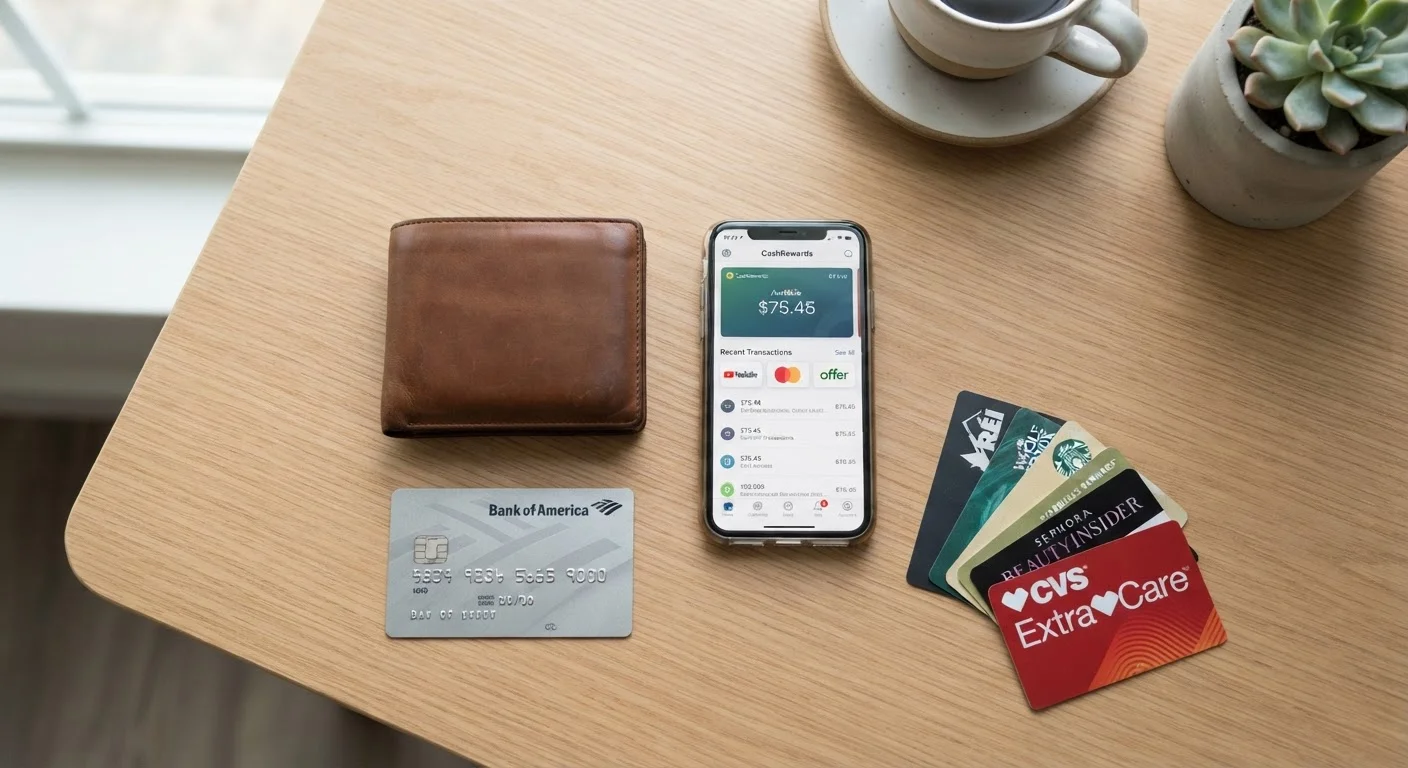
Why Most Shoppers Earn Only a Fraction of Available Rewards
The average US consumer belongs to more than a dozen loyalty programmes but actively uses just a handful. The gap between membership and meaningful earning usually comes down to one habit: using a single rewards layer per purchase instead of combining compatible ones.
Stacking - the practice of layering a retailer loyalty scheme, a cashback portal, and a credit card rewards programme on the same transaction - is legal, widely supported, and far more accessible than most shoppers realize. Before diving into the steps, it helps to understand what each layer actually does. If you're newer to how cashback, points, and miles differ structurally, this overview of the three rewards pillars is a useful starting point.
It's also worth noting that different sectors - retail, travel, financial services - run their programmes under distinct rules. How rewards programmes differ across sectors explains those structural differences, which matter when you're deciding where to focus your stacking effort.
What You Need Before You Start
Effective stacking doesn't require exotic tools, but it does require a few things to be in place before your first stacked purchase.
What you will need
Cashback portal account
Acts as the first earning layer by paying a percentage of your purchase back when you click through to a retailer from the portal.
Rewards credit or debit card
Provides a second earning layer - points, miles, or cashback - based on the spend category at checkout.
Retailer loyalty programme membership
Provides a third earning layer through retailer-specific points or credits tied to your account at that store.
Password manager or spreadsheet
Tracks logins, cashback rates, and expiry dates across multiple programmes so nothing is missed or forgotten.
Browser extension (portal-provided)
Alerts you when a cashback rate is available for a site you're visiting, reducing the chance of forgetting to activate the portal.
How to Stack Rewards on a Single Purchase
Follow these steps in order for every purchase where you want to activate all three layers. The sequence matters - especially for cashback portals, where the click-through must happen before you land on the retailer's site.
Identify which programmes apply to your planned purchase
Before opening any browser tab, confirm three things: which cashback portal offers a rate for this retailer, which of your cards earns the highest rewards in the relevant spend category (groceries, travel, general merchandise, etc.), and whether the retailer has a loyalty programme you're enrolled in.
If the retailer participates in multiple portals, compare the current rates - they do vary. Choose the highest rate that doesn't carry exclusions relevant to your purchase.
Log in to your cashback portal and initiate the session
Log in to your chosen portal, search for the retailer, and click through to the retailer's site from that portal link. This creates a tracked session. Do not navigate away and return via a bookmark or direct URL - the tracking cookie will be lost.
If you're using a portal browser extension, activate it explicitly on the retailer's page and confirm the extension shows a tracked status before adding anything to your cart.
Ensure your loyalty account is linked or will be applied at checkout
Most retailer loyalty programmes require either a logged-in account session or a phone number or membership number entered at checkout. If you're shopping online, confirm you're logged into the retailer's site under the same account linked to your loyalty membership.
For in-store purchases, have your loyalty app or card ready before reaching the register - loyalty credit is rarely applied retroactively.
Pay with the card that earns the highest reward for this category
Select the credit or debit card that earns the strongest reward for the purchase category. A card that earns elevated rates on groceries is worth using at a grocery portal; a general-purpose flat-rate card may be better at a retailer that doesn't fall into a bonus category on your other cards.
Confirm the card is in good standing and that the rewards programme on that card hasn't changed its category definitions recently - issuers occasionally reclassify retailers.
Confirm tracking and document your expected earnings
After completing the purchase, return to your cashback portal account and verify the transaction appears as pending - typically within 24 to 72 hours. Note the expected cashback amount and the confirmation date.
Record the expected earnings from each layer (portal cashback, card rewards, loyalty points) in a simple log. This makes it straightforward to dispute a missing cashback claim and helps you evaluate which programme combinations are worth repeating.
Common Pitfalls and How to Avoid Them
Stacking works reliably when you follow the rules, but a few recurring mistakes can silently cancel your earnings.
Skipping the portal click-through. Navigating directly to a retailer's website - even if you've used the portal before - means the session won't be tracked. The portal link must initiate that specific shopping session.
Which discount combinations are actually permitted is a related concern: some retailers exclude portal cashback when a promo code is applied at checkout. Check the portal's exclusions list before assuming both will apply simultaneously.
Letting points expire. Dispersing activity across too many programmes means balances never grow large enough to redeem before they lapse. Consolidating to two or three programmes you use regularly solves this.
Spending more to earn more. This is the core risk of reward-optimising behaviour. The real cost of chasing rewards examines this trade-off honestly. Stacking only makes financial sense on purchases already in your budget.
Audit your stack every few months
Cashback portal rates, card category bonuses, and loyalty programme structures all change without much fanfare. A quick quarterly check - comparing your current card's earning rate against alternatives and verifying portal rates haven't dropped - keeps your stack optimised with minimal effort. Set a recurring calendar reminder so it doesn't slip.
Building a Sustainable Stacking Routine
The goal is to make stacking a near-automatic habit rather than a research project before every purchase. Once your accounts are connected and your card selections are set, the incremental effort per transaction drops to under a minute.
Review your portal and programme statements monthly. Confirm pending cashback has tracked, check for any bonus earning periods, and verify expiry dates on your point balances. Earning rewards on everyday spending covers how to identify additional opportunities inside your existing routine without restructuring your budget.
For deeper context on coupon and code stacking that complements portal cashback, the Coupons and Promo Codes hub provides a broader set of tactics. And if you're evaluating the overall value of rewards optimisation for your finances, the Saving and Deals hub situates these strategies within a wider money-management picture.
This article is for general informational purposes only and does not constitute personalised financial or legal advice. Rewards programme terms change frequently; always verify current rules directly with each programme before making purchasing decisions.