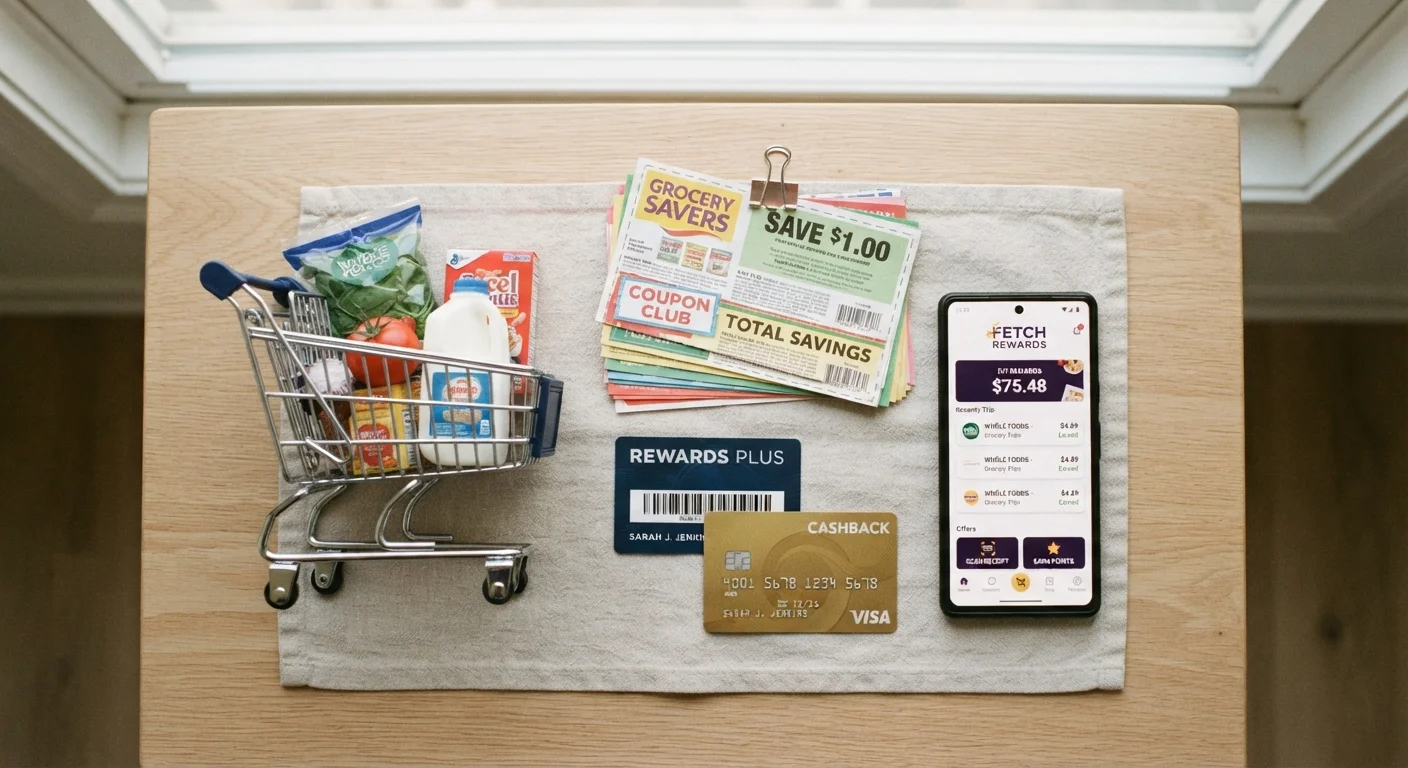
Why Stacking Rules Exist in the First Place
Retailers build discount systems to control their margin exposure. When two reductions hit the same transaction, the cost compounds - and most promotional budgets aren't designed for that. So retailers code specific rules into their checkout infrastructure: some discounts are stackable by design, others are mutually exclusive, and some are conditional on order value or product category.
Understanding this isn't just academic. Shoppers who assume stacking always works end up with reversed cashback, canceled loyalty points, or checkout errors that require customer service to untangle. The Coupon Myths That Cost Shoppers Money article covers how the "stacking always works" belief specifically leads to real financial surprises.
1 in 3
Cashback claims affected by promo code exclusions
Industry analysis from cashback platform reporting has noted that roughly one-third of declined cashback claims involve a promo code that triggered a retailer exclusion.
~60%
Retailers restricting multi-code checkout
Retail technology surveys have consistently found the majority of e-commerce platforms are configured to accept only a single promo code per transaction.
2-3 layers
Realistic stackable discount layers per purchase
Consumer savings analysts generally find that most shoppers can reliably combine two to three discount types (e.g., one code plus cashback plus card rewards) without triggering retailer restrictions.
The Discount Categories and How They Interact
Not all discounts are the same type, and the type determines stacking behavior. Here's how the main categories generally behave:
- Promo codes: Typically limited to one per transaction. Entering a second code usually replaces the first. Codes marked "exclusive" will void any other active promotions in the cart.
- Store credit and gift cards: Usually treated as payment, not promotion. This makes them among the safest layers - they rarely trigger "one discount only" rules. Verify with your specific retailer.
- Loyalty points redemption: Often conflicts with promo codes. Many programs prevent points redemption when a discount code is applied, because both draw from the same promotional budget. Some retailers, however, allow points on already-discounted orders.
- Cashback portals: Operate via affiliate tracking links outside the checkout system. The success of stacking cashback with an on-site promo code depends on whether the retailer excludes cashback on discounted sales - a restriction increasingly common in electronics and luxury categories.
- Credit card rewards: Earned on the final charged amount regardless of retailer promotions. Credit card perks generally stack without retailer interference, though cashback rates may be lower on promotional categories.
For a more thorough breakdown of how to layer loyalty schemes, cashback portals, and card perks together, see Stacking Rewards: Combining Loyalty Schemes, Cashback Portals, and Card Perks.
How to Check Before You Stack
The only reliable way to know what's permitted is to read the terms of each offer before combining them. This takes under two minutes and prevents the more frustrating problems - like discovering three weeks later that your cashback was voided.
Specifically, look for:
- "Cannot be combined" language in promo code terms - this is the clearest signal that stacking is blocked.
- Cashback exclusions listed on the portal's retailer page, often under a section labeled "exclusions" or "restrictions."
- Loyalty program rules for points redemption, which often specify whether a code is required to forfeit earned points.
- Sale item restrictions - many retailers block promo codes on already-reduced merchandise, regardless of stacking intent.
If you're not sure where promo codes originate from in the first place, Places Discount Codes Actually Hide walks through the non-obvious sources. And once you have a code, Getting the Most from a Promo Code Without Spending More Than You Planned outlines how to use it without inflating your basket.
Test Your Cart Total Before Finalizing
Before completing any purchase where you're stacking, screenshot or note the pre-stacking price. Apply each layer one at a time and verify the total adjusts as expected. If a discount disappears when you add another, you've found a conflict. This takes two minutes and prevents checkout surprises or post-purchase cashback reversals.
When Stacking Genuinely Works
Despite restrictions, several combinations do work reliably across most retailers:
- One promo code + gift card payment: The promo reduces the price; the gift card covers the remainder. No conflict in most systems.
- Cashback portal + credit card rewards: Both reward the final charged amount independently. This is the most consistently stackable combination available to US shoppers.
- Sale pricing + a single promo code: When a retailer explicitly allows codes on sale items (check terms), the code applies to the already-reduced price, compounding the saving. Not universal, but it does occur.
- Loyalty points accrual + promo code: Some programs accrue points on purchases even when a promo code is used - they just block redemption. Earning while spending with a code is often still possible.
The general principle: discounts that come from different funding sources or systems (merchant budget vs. bank rewards vs. affiliate tracking) tend to stack. Discounts drawing from the same merchant promotional pool usually don't. How Retailers Decide Who Gets a Promo Code gives useful context on the business logic that shapes these rules.