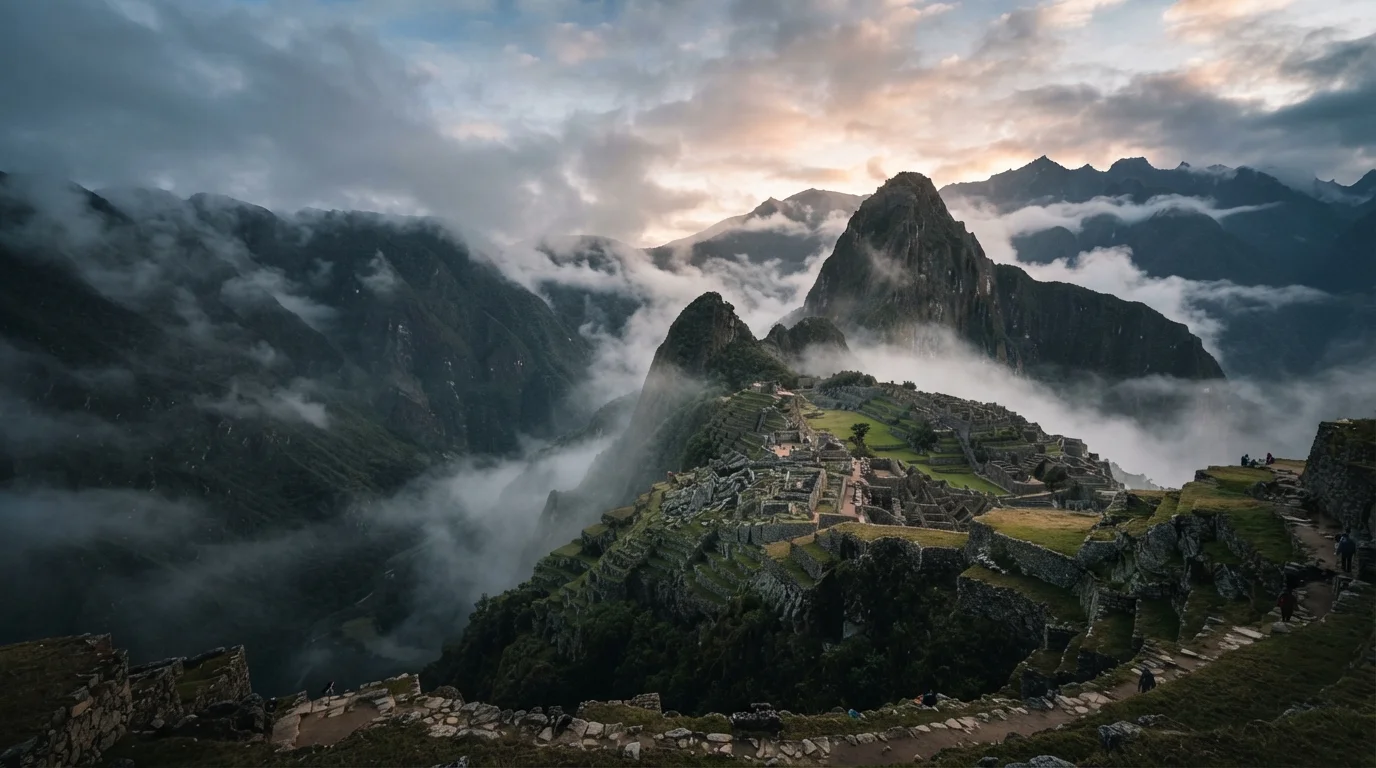
The Gap Between Expectation and Reality
Machu Picchu consistently ranks among the most anticipated trips travelers take in South America - and among the most frequently described as disappointing. That disconnect rarely comes from the site itself. It comes from avoidable planning errors that compound quickly once you're on the ground.
Crowds, physical fatigue, altitude effects, and logistical friction aren't surprises if you know to prepare for them. The travelers who walk away satisfied tend to share one trait: they researched the site's practical realities, not just its photographs. For a broader framework on this kind of preparation, see pre-trip research that shapes a better journey.
Skipping acclimatization and going straight to Machu Picchu from a low-altitude city.
Why it happens: Travelers often underestimate altitude's physical impact, especially when flying into Lima and connecting quickly to Cusco.
Arriving without a pre-purchased, time-specific entry ticket.
Why it happens: Some travelers assume tickets are available at the gate or that third-party tour operators handle all logistics automatically.
Attempting a day trip from Cusco on a tight schedule.
Why it happens: The logistics look manageable on paper - a train to Aguas Calientes, a bus up, a few hours at the site. In practice, travel time, altitude fatigue, and queues consume far more of the day than expected.
Wandering the site without understanding its one-way circuit layout.
Why it happens: The site enforces directional routes, but visitors often don't realize this until they're blocked from backtracking to a missed structure.
Underestimating how physically demanding the visit is.
Why it happens: Marketing imagery shows the postcard panorama - not the steep uneven stone stairs, the midday heat, or the extended walking involved.
How to Structure Your Visit for a Realistic Outcome
The single most effective adjustment most travelers can make is building more time into their itinerary around - not just at - Machu Picchu. A rushed visit forces trade-offs that undermine every other investment you've made in the trip.
Tickets Sell Out Weeks in Advance
Peru's Ministry of Culture enforces daily visitor caps and time-slot ticketing at Machu Picchu. During peak season (June through August), entry slots can sell out four to eight weeks ahead. Always purchase tickets through the official government platform and verify your entry window before booking any connecting transport or accommodation in Aguas Calientes.
Spending a night in Aguas Calientes (the town at the base of the mountain) allows you to take the first bus up at dawn, when the site is cooler, quieter, and more photogenic. That early-morning window is genuinely different from the midday experience. If you're prone to over-scheduling, why travelers overestimate how much they can see in a day addresses this pattern directly.
Altitude Is a Real Medical Risk
Machu Picchu sits at roughly 7,970 feet, while Cusco - the most common gateway - sits at over 11,000 feet. Many travelers experience headaches, nausea, and fatigue. Spending at least two nights in Cusco or the Sacred Valley before visiting gives your body time to adjust. If symptoms are severe, seek medical attention rather than pushing through - altitude sickness can escalate quickly.
Finally, treat the Sacred Valley - Pisac, Ollantaytambo, Moray - as more than a stopover. These sites offer context for what you'll see at Machu Picchu and give your body altitude time that a hotel room in Cusco alone may not. Slow travel versus a fast city break is a real trade-off worth thinking through before you finalize your schedule.
~5,000
Daily visitor cap at Machu Picchu
Peru's government instituted strict daily limits following UNESCO pressure over site preservation concerns.
7,970 ft
Elevation of Machu Picchu citadel
While lower than Cusco, the altitude still affects most visitors who haven't acclimatized, particularly those arriving from sea level.
3-4 hrs
Typical unguided visit duration
Visitors without a guide or site map frequently miss key structures and spend significant time retracing steps on the one-way circuit.
Machu Picchu rewards preparation. The visitors who struggle are almost always the ones who treated it like a standard tourist stop rather than the logistically complex, high-altitude site that it is.
This article is for general informational and travel planning purposes only. Entry requirements, ticket availability, site rules, and health considerations can change. Always verify current conditions with official Peruvian government sources and consult a qualified medical professional regarding altitude health concerns before travel.