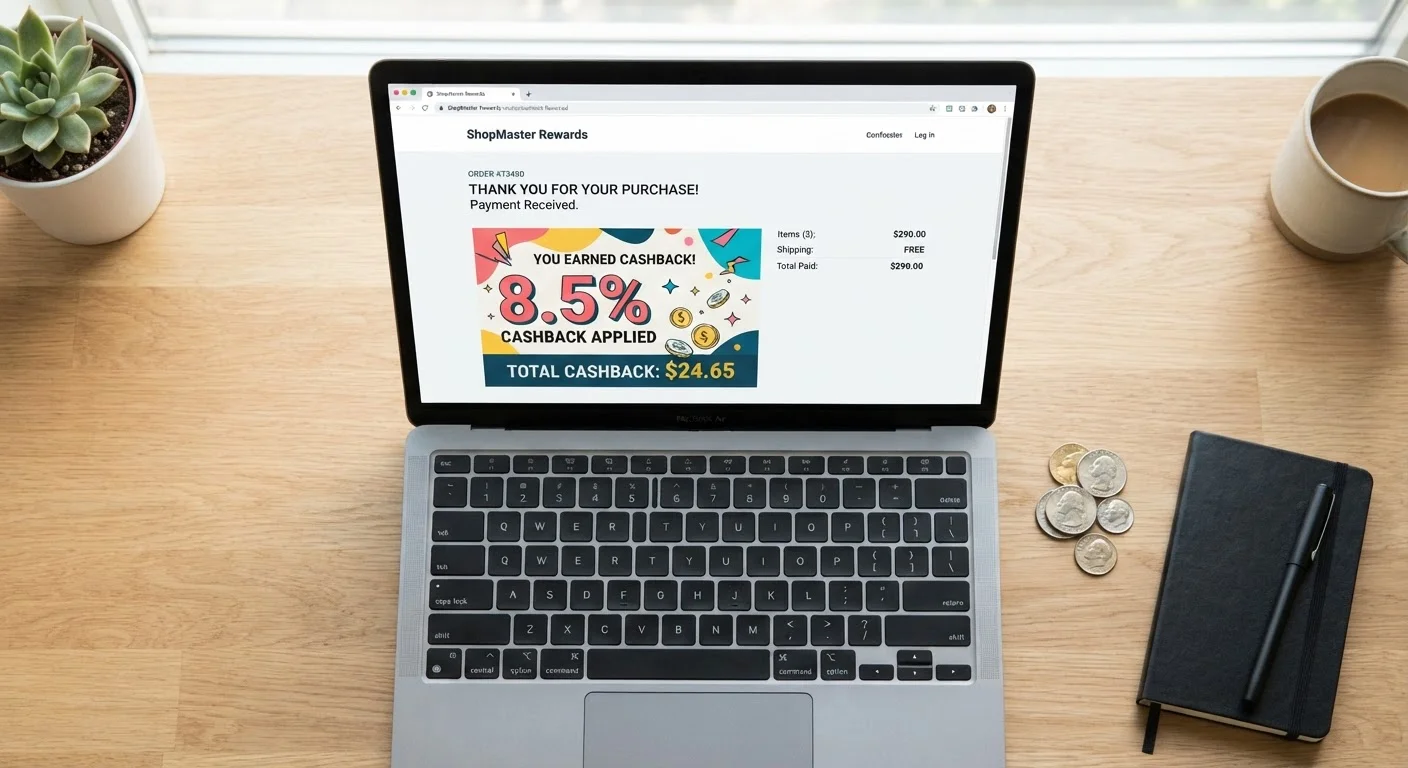
How Cashback Portals Actually Work
A cashback portal (sometimes called a rebate portal) acts as a referral intermediary. When you click through to a retailer from the portal, the portal earns a commission from the retailer on any resulting sale. It then shares a portion of that commission with you as cashback. No extra cost is added to your purchase - the retailer pays the commission regardless of whether a portal is involved.
Understanding this referral mechanics matters because it explains why certain actions break tracking. If your session is interrupted - by a new browser tab, a coupon code from a different site, or a cookie blocker - the portal may lose credit for the referral and your cashback will not post. For a grounded explanation of how cashback fits into the broader landscape of consumer rewards, see how each reward model works.
Core Practices for Maximizing What You Earn
Getting value from portals consistently is less about luck and more about habit. The practices below address the most common failure points - from missed activations to unclaimed balances.
Quick Actions You Can Take Today
You don't need to restructure your shopping routine to start benefiting. A few targeted steps taken now will capture earnings on your very next online purchase. For more on fitting rewards into your existing spending patterns, see earning rewards on everyday spending.
Combining Portals with Other Rewards Layers
Cashback portals and credit card rewards are not mutually exclusive. In most cases, clicking through a portal and paying with a rewards credit card will trigger both the portal cashback and the card's standard purchase rewards - effectively earning on two layers simultaneously. The same logic applies when a retailer's own loyalty program is active.
However, stacking requires care. Some retailer-specific portals (such as those run by airline loyalty programs or bank shopping portals) have exclusivity clauses that may void cashback if a coupon code from an outside source is applied at checkout. Always read the portal's terms for the specific retailer before stacking. To go deeper on this strategy, see how stacking multiple reward layers works.
Managing Pending Earnings and Getting Paid
Cashback rarely posts as available cash immediately. Most portals hold earnings in a pending state for 30 to 90 days - the window retailers need to process returns and validate the sale. Once earnings move to confirmed status, you can typically request payment via check, direct deposit, gift card, or PayPal transfer, depending on the portal.
Key habits that prevent lost earnings: log into your portal dashboard after each purchase to confirm the transaction tracked correctly; keep order confirmation emails as evidence if you need to file a missing cashback claim; and understand the portal's minimum payout threshold before you start - some require as little as $1, others require $25 or more before releasing funds. Portal-specific details like these are the difference between cashback that actually arrives and cashback that sits unclaimed indefinitely. For a side-by-side view of how portals compare to card-based cashback, see cashback credit cards vs. cashback apps.