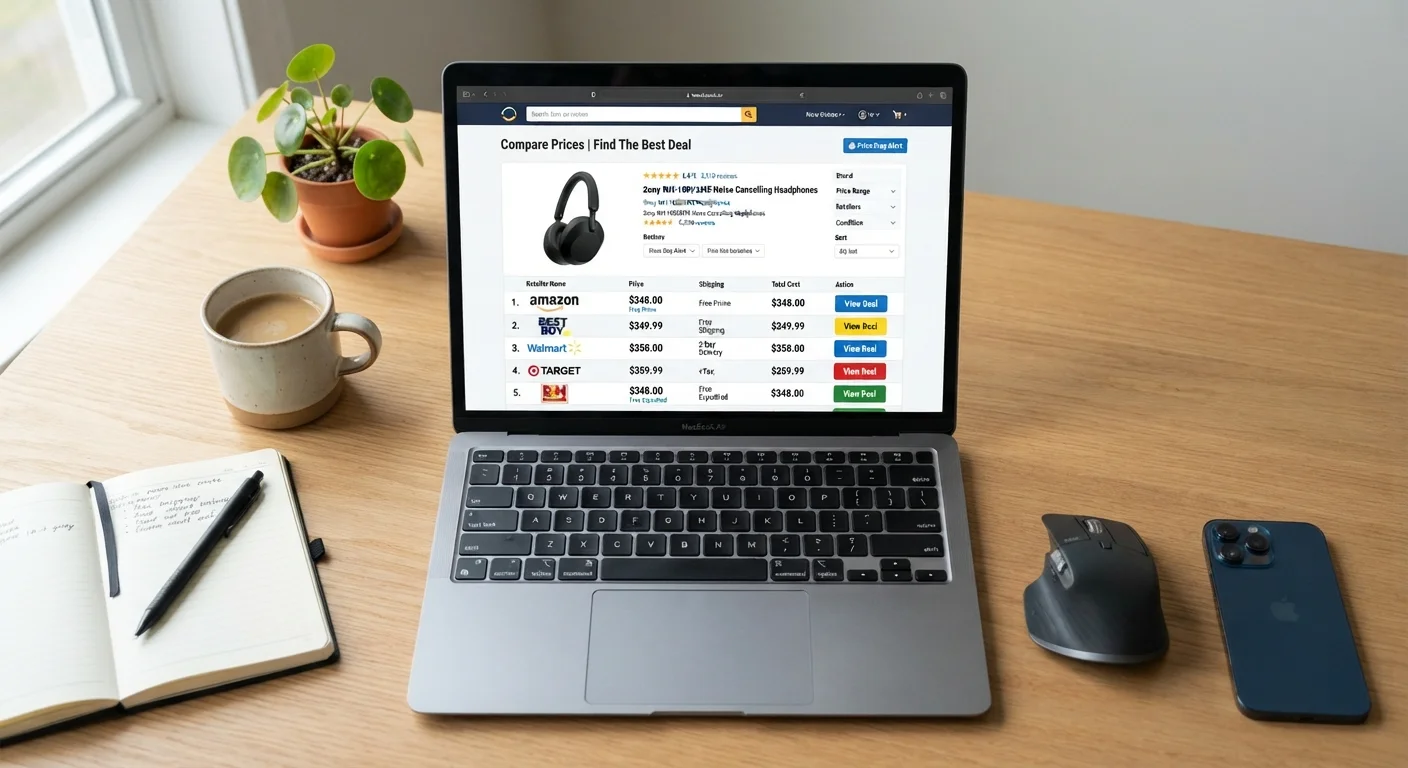
What Price Comparison Aggregators Actually Do
Price comparison aggregators - sometimes called shopping engines - pull listed prices from multiple retailers into a single interface. The goal is straightforward: let shoppers see a range of prices for a given product without visiting each seller individually. Common examples include dedicated shopping search tools built into major search engines as well as standalone comparison platforms focused on specific categories like electronics, travel, or auto insurance.
These platforms generally work through one of two methods: direct data feeds supplied by partnering retailers, or automated web scraping. The distinction matters. Feed-based data is structured and relatively reliable, while scraped data can lag behind real-time price changes. Either way, the aggregator is only as accurate as the data it receives.
For a broader orientation to these tools, this starter's roadmap to price comparison tools covers the key categories and how to approach them as a beginner.
Saves significant time on initial price research
Aggregators condense what could be dozens of individual site visits into a single search. For commodity products with identical specs across sellers, this efficiency is genuine and practical.
Reveals the competitive price range quickly
Even an imperfect aggregator gives shoppers a useful anchor - they know roughly what a fair market price looks like before entering any negotiation or committing to a purchase.
Covers a wide variety of product categories
General shopping engines span electronics, apparel, home goods, and more, while category-specific tools handle insurance, flights, or mortgages with more tailored data fields.
Often surfaces lesser-known retailers with competitive pricing
Shoppers who only visit familiar retail names may consistently overpay. Aggregators can highlight smaller or regional sellers that price aggressively to compete for visibility.
Price history features on some platforms add context
Certain aggregators track whether a listed price has risen or fallen recently, helping users identify whether a price represents a genuine dip or a manufactured discount.
Where Aggregators Fall Short
The limitations of aggregators are often structural, not incidental. Understanding them helps calibrate how much weight to give any result.
Coverage is never complete or fully neutral
No aggregator lists every retailer. Sellers who don't participate in a platform's feed - or who have commercial disputes with it - simply don't appear, creating invisible gaps in the comparison.
Prices can be outdated or inaccurate
Data feeds and scraping cycles introduce lag. A price shown on an aggregator may no longer reflect what a retailer actually charges by the time a user clicks through to buy.
Shipping, taxes, and fees are rarely included
The listed price is almost never the final price. Aggregators typically display pre-tax, pre-shipping figures, which can substantially understate what a given purchase actually costs.
Paid placements can distort result ordering
When retailers pay for prominence, the most visible results reflect advertising spend rather than objectively ranking the most relevant or affordable options for the shopper.
Seller quality and reliability are not captured
Two listings at similar prices may come from sellers with vastly different track records on shipping speed, customer service, and returns - none of which appears in a price column.
Complex or variable products compare poorly
Insurance policies, financial products, and configurable items have too many variables for a single aggregated price to be meaningful without significant additional research.
One of the most consistent blind spots is total cost. An aggregator may show a product listed at a lower price from one seller, but once shipping fees, handling charges, or mandatory add-ons are included, that advantage often disappears. Total cost of ownership is the figure most price comparisons miss - and aggregators rarely surface it automatically.
Seller reliability is another gap. A low listed price from an unfamiliar marketplace seller carries risks - slower shipping, difficult returns, or counterfeit goods - that no aggregator price column captures.
Aggregators Are a Starting Point, Not a Conclusion
Even when an aggregator shows a clear price leader, that result warrants direct verification before purchase. Check the retailer's own site for the current price, shipping estimate, and return policy. A small price advantage can evaporate once those variables are added. For high-stakes purchases, this verification step is not optional - it is where real savings decisions get made.
How Commercial Relationships Shape What You See
Many aggregators operate on a cost-per-click or paid-placement model, meaning retailers pay to have their listings appear. This doesn't necessarily mean prices are inflated, but it does mean the order of results may reflect marketing budgets as much as objective ranking. Sponsored results are typically disclosed, but the disclosure is often small and easy to overlook.
~30%
Price variance for identical products across retailers
Consumer research consistently finds that the same product can carry a price spread of roughly 30% or more across different online sellers, underlining why comparison matters.
Majority
Aggregator results influenced by paid listings
Industry analyses of major shopping engines have found that a significant share of prominently displayed results involve some form of paid placement or sponsored positioning.
For shoppers, the practical implication is simple: the first result is not automatically the most relevant one. Sorting by price rather than relying on default display order is a basic habit worth building.
This dynamic also explains why some large retailers are occasionally absent from certain aggregators - commercial disagreements or feed incompatibilities can remove major sellers entirely, leaving apparent coverage gaps that aren't obvious to users.
Using Aggregators Effectively as Part of a Broader Strategy
The productive approach treats aggregators as a benchmarking starting point, not a final verdict. They are efficient for establishing a price range and identifying which retailers are competing in a given category. From there, direct verification on the retailer's own site - checking current price, shipping terms, return window, and seller ratings - closes the gaps aggregators leave open.
A structured pre-purchase checklist can help make this two-step process consistent rather than ad hoc. Pairing aggregator results with browser-based price tools adds another layer: browser extensions and dedicated comparison sites approach coverage and accuracy differently, and using both together often surfaces information neither provides alone.
For high-involvement purchases - vehicles, insurance, or large appliances - aggregator data is particularly incomplete. Auto insurance comparison, for instance, involves coverage variables that no simple price column can adequately represent. In those contexts, aggregators can orient initial research, but the real comparison work happens elsewhere. The same principle applies to a full price comparison strategy, which goes well beyond any single tool.