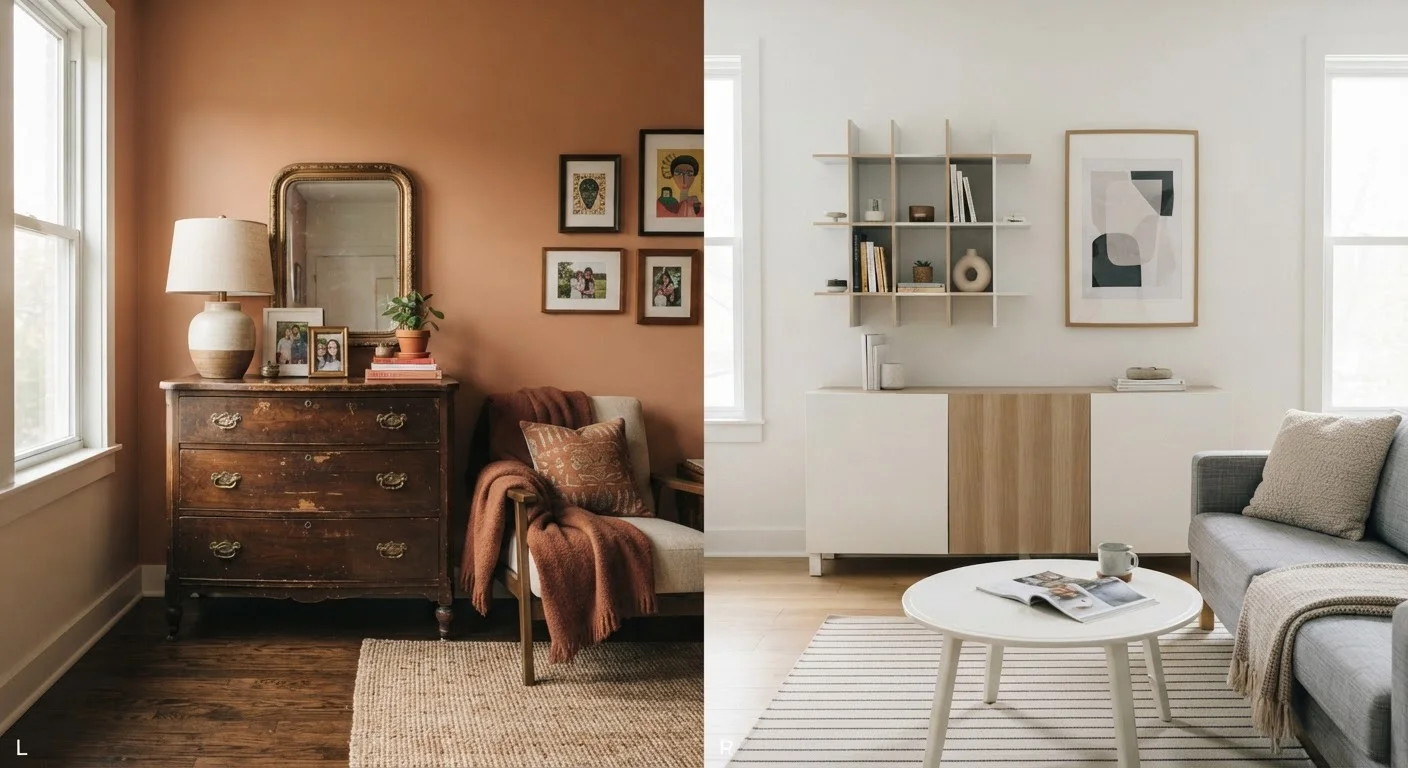
The Real Cost Comparison: Beyond the Price Tag
The sticker price difference between secondhand and new furniture is usually substantial - resale prices for comparable pieces can run 50-80% lower than retail. But the final cost of ownership depends on more than what you pay at the point of purchase.
With secondhand furniture, potential add-ons include cleaning supplies, reupholstery, hardware replacement, and delivery rental if the seller doesn't ship. A $60 side table might need $30 in supplies and a few hours of your time before it's truly usable. These costs aren't reasons to avoid secondhand shopping - just honest factors to build into your estimate.
New furniture carries its own hidden costs: assembly fees, delivery charges, and the rapid depreciation that begins the moment a piece enters your home. Extended warranties are frequently upsold and rarely necessary for well-made items. For a balanced approach to understanding what you're actually paying, see our guide to price comparison tools before committing to either path.
| Secondhand Furniture | New Furniture | |
|---|---|---|
| Upfront cost | Generally 50-80% lower than retail | Full retail price; sales vary seasonally |
| Quality consistency | Variable; older solid-wood often superior | Predictable within a given price tier |
| Warranty / returns | Typically none; as-is sales | Usually includes manufacturer warranty |
| Hygiene risk | Higher for upholstered or porous pieces | Low; new materials, no prior use |
| Environmental impact | Lower when sourced locally | Higher production footprint; certification helps |
| Style availability | Unpredictable; requires patience and searching | Full range available; exact specs confirmed |
| Inspection required | Yes - hands-on evaluation strongly advised | Minimal; review specs and return policy |
Quality and Durability: Old vs. New Construction
Furniture quality has shifted considerably over decades. Solid-wood pieces from estate sales or vintage shops are often built to a standard that entry-level new furniture doesn't match - dovetail joints, kiln-dried hardwoods, and hardware that was meant to last generations. This is one area where secondhand genuinely outperforms new at the same price point.
The flip side: older upholstered furniture may harbor allergens, pet dander, or mold that's difficult to detect and costly to remediate. Foam and fabric degrade over time even when a piece looks presentable. For upholstered sofas, armchairs, and mattresses, buying new is generally the lower-risk option from a hygiene and structural standpoint.
New furniture, particularly in the mid-range, often uses engineered wood, MDF (medium-density fiberboard), or particleboard - materials that are more vulnerable to moisture and don't hold screws as well after disassembly. If you expect to move, rearrange, or resell the piece in a few years, this matters. The flooring materials comparison applies a similar durability framework to interior surfaces and is worth reviewing if you're making broader home decisions.
Where Secondhand Pays Off Most
Solid-wood dressers, dining tables, bookshelves, and metal bed frames are the categories where secondhand value is most reliable. These materials age well, are easy to inspect, and can often be refinished or painted to match your current decor. Prioritize these categories on the resale market before turning to new options.
Sustainability and the Environmental Picture
Every new furniture purchase generates manufacturing emissions, packaging waste, and resource use. Buying secondhand extends the useful life of an existing piece, keeping it out of landfills and reducing demand for new production. For environmentally motivated shoppers, this is one of the clearest arguments for choosing the resale market first.
That said, sustainability claims about new furniture vary widely. Furniture certified by organizations such as the Forest Stewardship Council (FSC) uses responsibly sourced wood, and some manufacturers publish lifecycle assessments. Neither secondhand nor new is automatically the greener choice in every scenario - a secondhand piece shipped across the country may carry a larger carbon footprint than a locally manufactured new item.
For most households, the sustainable sweet spot is buying secondhand locally when possible, and choosing certified or durable new pieces when secondhand isn't practical. This also connects to a broader home strategy: refreshing your space with accents and textiles before replacing furniture entirely. The seasonal décor refresh guide covers exactly this approach.
Risk, Inspection, and What to Watch Out For
The single biggest downside of secondhand furniture is asymmetric information - the seller knows the piece's history, and you don't. Structural damage, pest infestation (particularly bed bugs in upholstered items), water damage beneath painted surfaces, and missing hardware are common issues that photos don't reveal.
Upholstered Secondhand Items Carry Real Risk
Bed bugs, mold, and allergens can persist in secondhand sofas, mattresses, and cushioned chairs even when a piece appears clean. Mattresses in particular should almost always be purchased new. For any upholstered secondhand piece, a professional cleaning and thorough inspection are strongly advisable before bringing it into your home.
When shopping secondhand in person, bring a flashlight and check joints for wobble, drawer slides for smooth operation, and upholstered items for any musty or chemical odor. Flat surfaces should be inspected for warping. For online secondhand platforms, ask sellers directly for photos of the underside, back, and any areas not shown.
New furniture risk is different in character: it's more about quality misrepresentation (specs that don't match the in-store or online description) and assembly errors. Always review the return policy before purchasing - particularly for large items delivered flat-packed. The same careful evaluation used for cabinetry decisions - weighing function, fit, and long-term satisfaction - applies equally to any major furniture choice.