Choosing the Right Spot
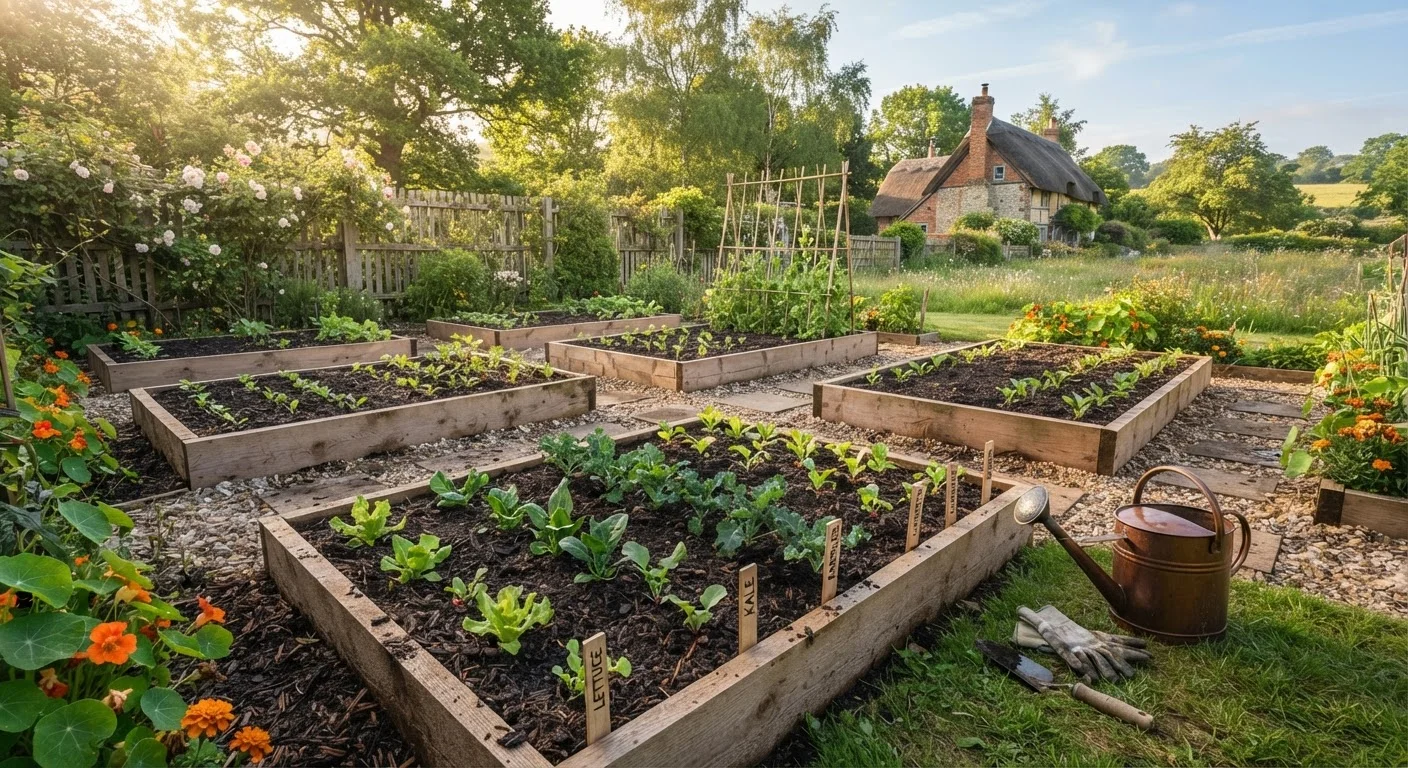
Before you buy a single seed, spend a day observing your yard. The most critical requirement for vegetables is sunlight - most food crops need at least six hours of direct sun each day, and eight hours produces noticeably better yields. Walk your yard at mid-morning and again at midday to see which areas receive unobstructed light.
Once you have a sunny candidate, consider these practical factors:
- Proximity to water: The closer to a hose tap or rain barrel, the easier watering becomes. Hauling a heavy watering can across a large yard discourages consistent care.
- Level ground: Flat or gently sloped areas drain well without pooling or running off too quickly. Steep slopes increase erosion and uneven moisture.
- Away from large trees: Mature trees compete aggressively for water and nutrients, and their canopy creates unwanted shade.
If your yard is limited, a raised bed or container setup may be a practical alternative. Our guide on container gardening on a balcony or small patio covers how to grow productively in compact areas.
Start Small to Build Confidence
A 4×8-foot plot is a practical size for a first-season garden - large enough to grow a meaningful variety but small enough to manage on weekends without feeling overwhelmed. You can always expand once you understand your soil, light, and preferred crops. Overcommitting space in the first year is one of the most common beginner mistakes.
Preparing and Improving Your Soil
Soil quality determines how well your plants grow, and most yard soil needs improvement before it can support vegetables reliably. Start by testing your soil - inexpensive test kits are available at garden centers and measure pH, nitrogen, phosphorus, and potassium levels. Most vegetables prefer a slightly acidic to neutral pH, roughly 6.0 to 7.0.
To prepare a new bed, remove grass and weeds, then loosen the soil to a depth of at least 10 to 12 inches using a garden fork. Work in a 3- to 4-inch layer of organic matter - aged compost, well-rotted manure, or leaf mold all improve drainage in heavy clay soils and add water-holding capacity to sandy soils.
Making your own compost is one of the most cost-effective ways to continuously improve soil health. Our companion guide on composting at home explains how to turn everyday kitchen and yard scraps into usable garden amendment.
pH (soil)
A measure of how acidic or alkaline your soil is, on a scale from 0 to 14. Most vegetables grow best between 6.0 and 7.0, which is slightly acidic to neutral.
Organic matter
Decomposed plant or animal material - such as compost or aged manure - added to soil to improve its texture, nutrient content, and ability to retain moisture.
Transplant
A young plant that has already been started from seed, sold ready to place in the ground. Using transplants instead of seeds shortens the time to harvest and simplifies the process for beginners.
Bolting
When a vegetable plant rapidly produces flowers and seeds, usually triggered by heat or long days. Bolting makes leafy crops like lettuce taste bitter and signals that the harvest window has passed.
Mulching
Spreading a layer of material - straw, wood chips, or shredded leaves - over bare soil around plants to retain moisture, suppress weeds, and regulate soil temperature.
Hardiness Zone
A USDA system that divides the US into climate zones based on average annual minimum temperatures. Knowing your zone helps you choose plants suited to your local conditions and time planting appropriately.
Selecting Plants for Your First Season
Choosing the right plants is where many beginners stumble. A long wish list can lead to an overcrowded, difficult-to-manage plot. For your first season, limit yourself to five or six varieties and prioritize crops that are forgiving, productive, and quick to reward you.
Strong choices for beginners include:
- Lettuce and salad greens: Ready to harvest in as few as 30 days, tolerate partial shade, and can be cut repeatedly.
- Radishes: Among the fastest vegetables to mature - some varieties are ready in under 25 days.
- Green beans: Low maintenance and prolific producers once they get going.
- Zucchini: Produces abundantly with minimal effort; one or two plants is typically plenty.
- Cherry tomatoes: More forgiving than large slicing varieties and faster to fruit.
For slow-maturing crops like tomatoes and peppers, buying transplants (young plants) rather than starting from seed gives you a head start and simplifies the first season. Seeds are economical and rewarding but add complexity around timing and germination conditions.
As you gain experience, you might consider whether a raised bed setup would suit your growing goals - it's worth understanding both the advantages and the added upfront costs before committing.
Planting, Watering, and Ongoing Care
Follow the spacing guidelines on seed packets or plant labels - crowding is a leading cause of poor yields and disease in home gardens. Adequate airflow between plants reduces the risk of fungal problems, and each plant needs enough root space to access nutrients.
Water deeply and consistently. Aim for roughly one inch of water per week, delivered in one or two sessions rather than a little each day. Shallow daily watering keeps roots near the surface where they are vulnerable to heat and drought stress. A simple rain gauge helps you track how much natural rainfall is contributing.
Mulching around plants with a 2-inch layer of straw, shredded leaves, or wood chips slows evaporation, suppresses weeds, and moderates soil temperature - all meaningful benefits that reduce the overall maintenance burden.
Monitor plants weekly for signs of pests or nutrient deficiencies. Yellowing leaves, distorted growth, and chewed foliage each point to different causes. Catching problems early keeps them manageable. Attracting beneficial insects and pollinators to your garden also helps naturally suppress pest populations - see our article on creating a wildlife-friendly garden for practical strategies.
Harvesting and What Comes Next
Harvesting at the right time keeps plants productive. Most vegetables reach peak flavor before they become fully mature by grocery-store standards - zucchini is best at 6 to 8 inches, lettuce before it bolts (goes to seed), and beans when pods are slender and snap cleanly. Regular harvesting signals the plant to keep producing rather than put energy into seed development.
At the end of the season, take notes on what worked and what didn't. Which varieties produced the most? Which suffered from pests or disease? Even a simple list helps you make smarter decisions next year.
Planning for future seasons is also a good time to think about your overall outdoor budget. The same disciplined approach that applies to home budgeting applies here - our guide for anyone who has never built a budget can help you approach garden spending with the same clarity.
A first vegetable garden rarely goes perfectly, and that's entirely normal. The experience itself - learning your soil, your light, your local climate - is what makes the second season substantially more productive than the first.
Permit Considerations for Raised Beds
While most in-ground vegetable gardens don't require permits, some municipalities have rules about raised bed structures, water features, or changes to yard drainage. If you plan to add a permanent raised bed with lumber framing, it's worth checking local regulations before building. Requirements vary significantly by city and county.